
Last updated November 15, 2026
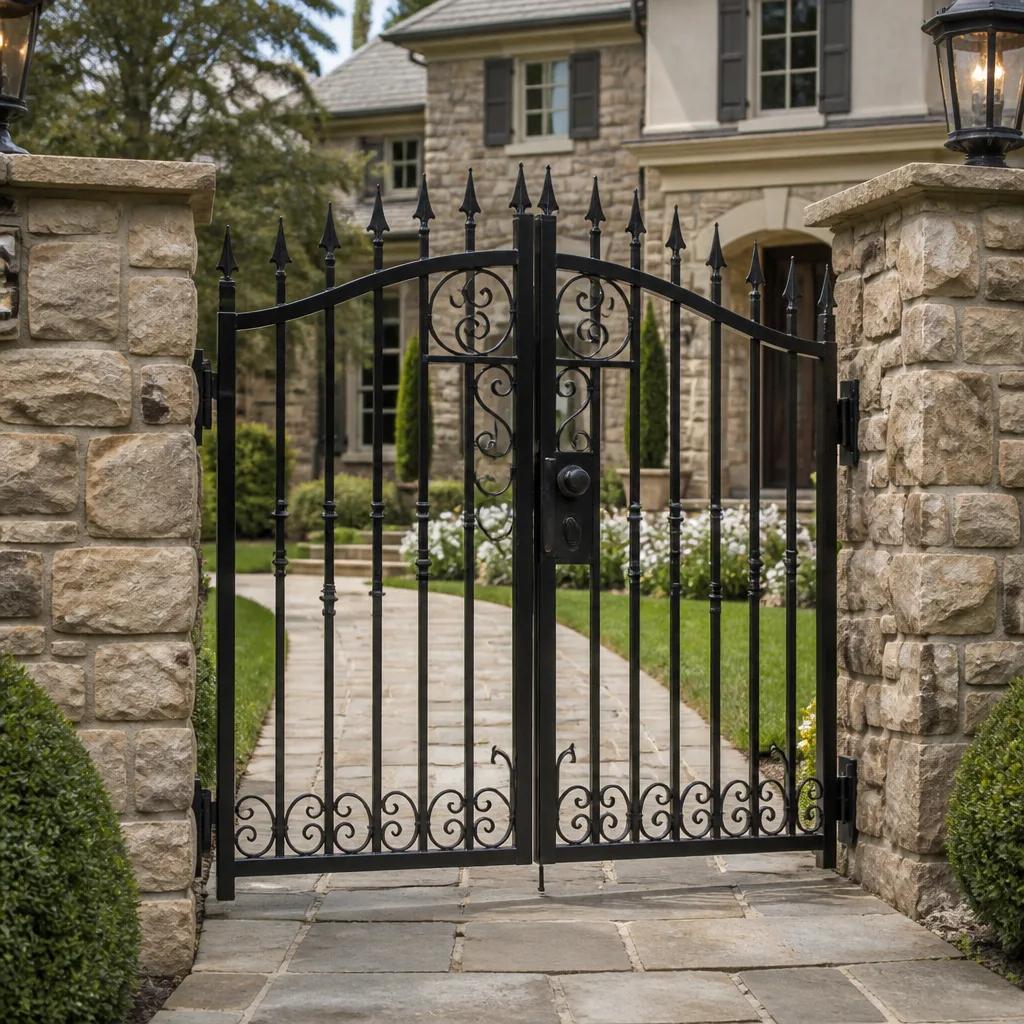 Wrought iron
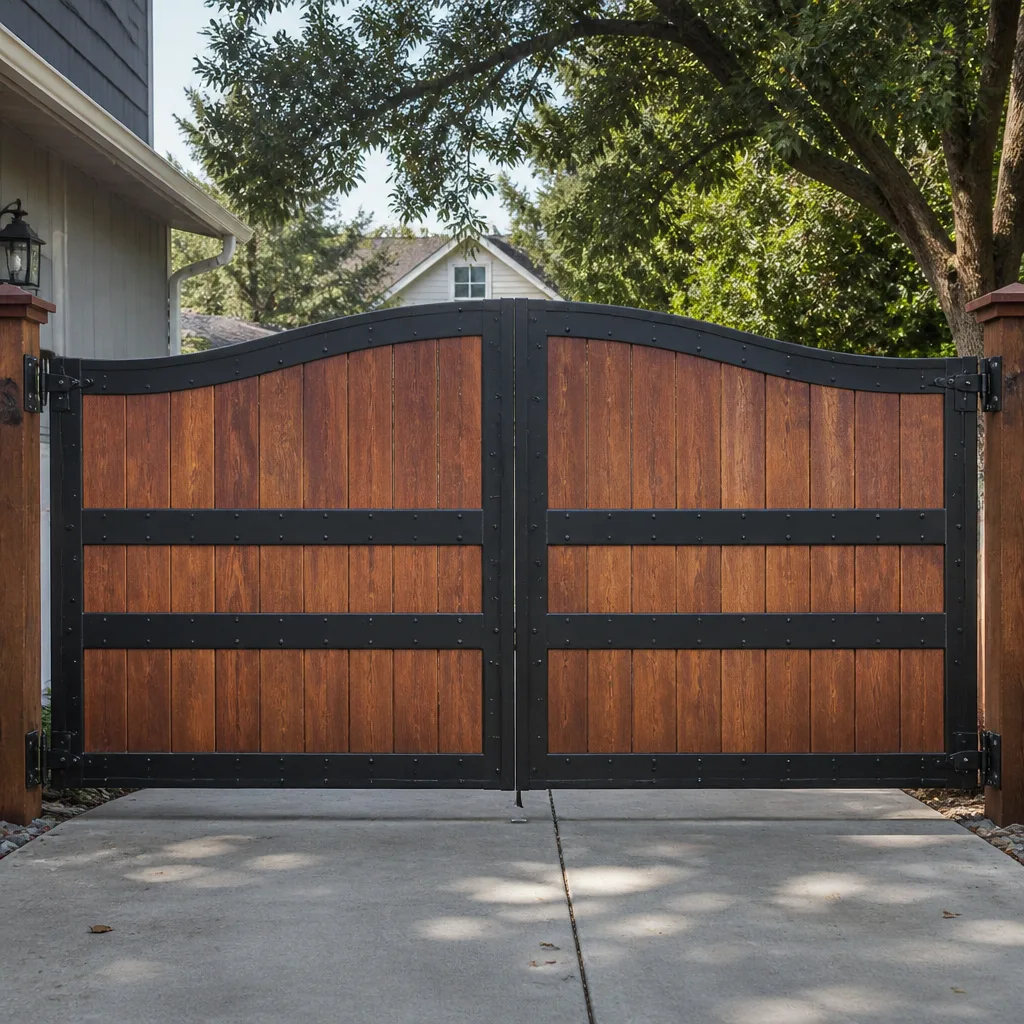 Wood & steel frame
 Farm & ranch
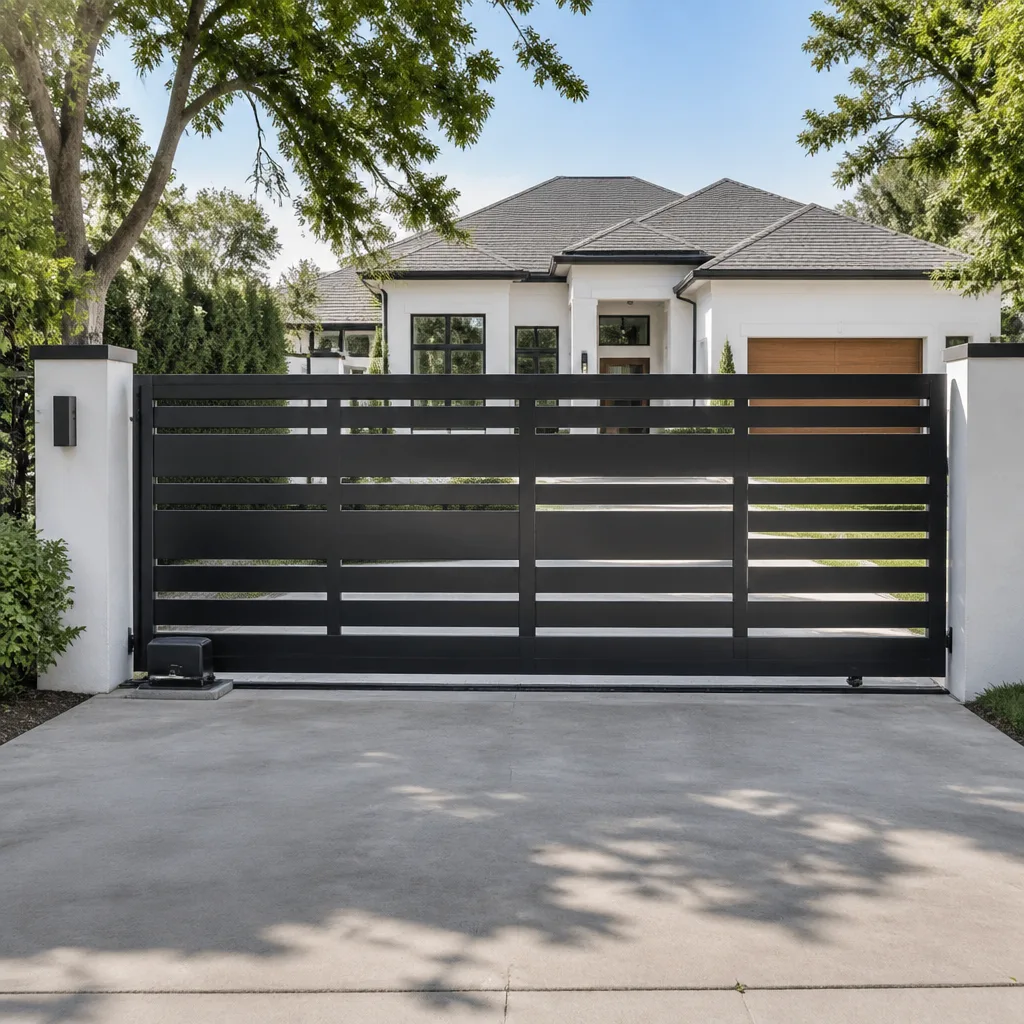 Sliding driveway gates
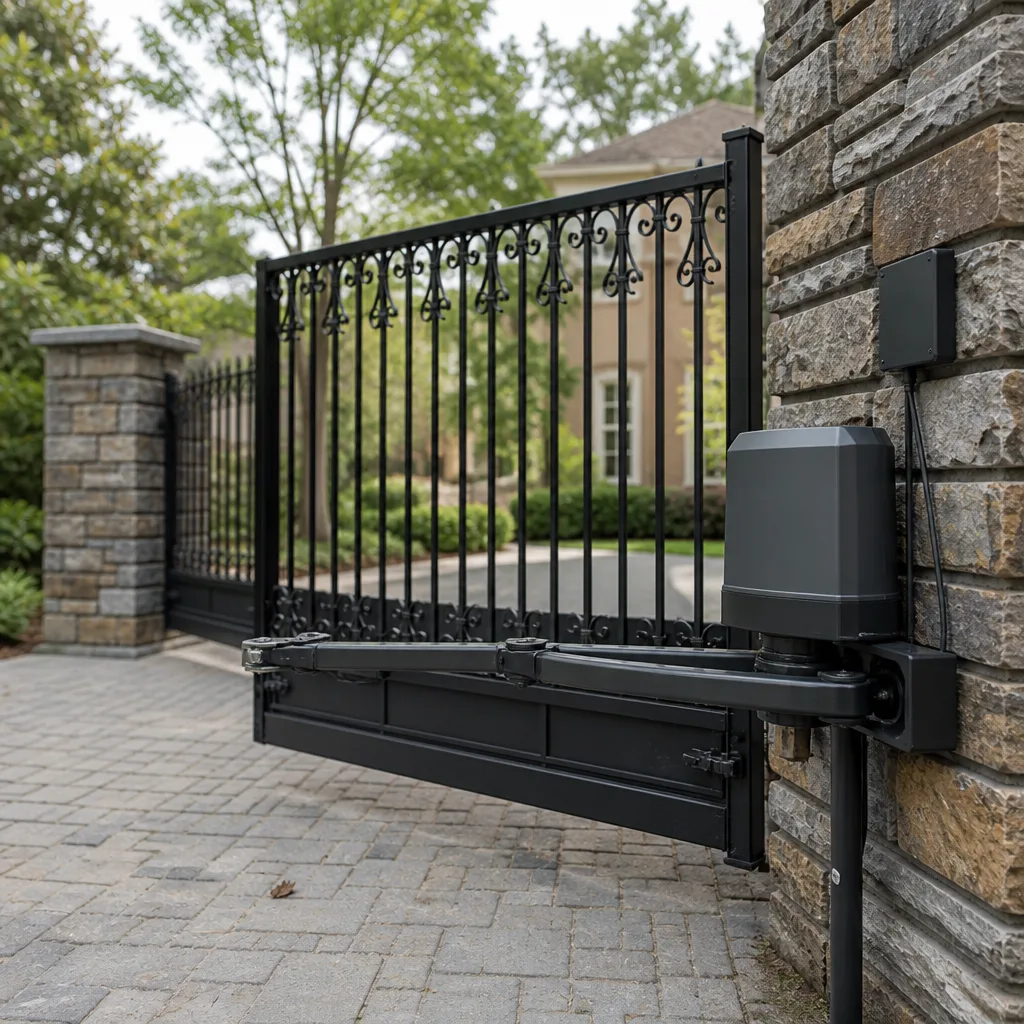 LiftMaster operators
Free on-site gate assessment - hinges, posts, and your LiftMaster or Nice gate operator checked before anything is quoted
The assessment is free and the quote is the invoice.
Get your free estimateSeasonal Gate Repair Care for Alexandria: Year-Round Homeowner’s Guide
The gates that fail in Alexandria don’t fail randomly. They fail in patterns, and the pattern follows the calendar. Automated gate operators here tend to go down hardest in the cold of January and the humidity of August, but the reason isn’t mysterious bad luck. Extreme cold and extreme humidity attack the same components from opposite directions, and when summer preparation gets skipped, the winter failure arrives faster and louder. A hinge that started binding in July is a snapped weld by February. A control board that took on moisture in September is a dead operator by the first hard freeze. In this guide, we’ll walk through what each Alexandria season actually does to a gate system, what to check before the next one arrives, and how to keep a maintenance log that makes every year’s inspections quicker than the last.
Quick Answer
Seasonal gate care in Alexandria means responding to four distinct threat environments rather than treating maintenance as one annual task: summer humidity and drainage, fall lubrication choice, winter freeze-thaw movement, and spring structural inspection. Homeowners who run a short seasonal checklist on their automated or manual gate avoid the kind of deferred damage that turns a minor adjustment into a motor replacement. Gate specialists, not generalists – the checks below cover both the mechanical structure and the automation components.
Styles & brands we work with
- Wrought iron
- Wood & steel frame
- Farm & ranch
- Sliding driveway gates
- LiftMaster operators
Table of Contents
- Summer Protocol: Humidity, Warped Panels, and Control Boards
- Fall Protocol: Lubricants That Hold Up vs. Those That Seize
- Winter Protocol: Freeze-Thaw, Anchor Pads, and Post Collars
- Spring Protocol: What to Inspect After Winter
- Building a Gate Maintenance Log
- What to Know About Your Gate’s Brand
- Common Mistakes to Avoid
- When to Call a Professional
Summer Protocol: Humidity, Warped Panels, and Control Boards
Alexandria summers bring sustained humidity that works on a gate in two ways at once. On wooden gates, moisture absorbs unevenly across the panels, and the side facing shade swells differently than the side catching afternoon sun. That differential is what warps a panel, and a warped panel pulls at its hinges, strains the latch alignment, and forces the operator to work harder on every cycle. On automated gates, the control board and operator housing are the concern. If water can’t drain away from the pad, it pools, and pooled water plus heat is exactly the condition that eats into circuitry over a season.
Here’s the summer checklist we’d run:
- Clear drainage around the gate pad and posts. Check that the ground slopes away from the base, that gutters aren’t dumping onto the pad, and that no mulch or debris is damming water against the operator housing.
- Inspect the operator housing seals. Look for gaps, cracked gaskets, or a housing that’s no longer sitting flush. A dry interior at the start of summer is what you’re protecting.
- Check wooden panels for early warp or swelling. Run your hand along the leading edge and look down the length of the gate from one end. A panel starting to bow shows up first as a shadow line that wasn’t there before.
- Test the open and close cycle and listen. A gate that’s working harder sounds different – a slight strain at the midpoint, a slower start. In Alexandria humidity, that’s often a hinge issue before it’s ever a motor issue.
- Confirm the safety edges and reversal. Block the path of travel and confirm the gate stops and reverses as it should. This is a homeowner-safety check that belongs on the summer list whether the gate is automated or manual.
If you own a Mighty Mule or Ghost Controls system on a driveway that sits at the low end of a slope, drainage matters even more. Those operators are reliable, but no operator survives a pad that holds water. Clearing drainage in June is far cheaper than a board-level repair in September.
Fall Protocol: Lubricants That Hold Up vs. Those That Seize
Fall is when lubrication choices made over the summer either get you through an Alexandria winter or set you up for a cold-weather seizure. Not every lubricant is suited to the cold. Some products that feel ideal in mild weather thicken as temperatures drop, and thickened grease in a hinge or a roller is a binding gate. The goal in fall isn’t to grease everything heavily. It’s to use the right product in the right place so the gate moves smoothly on the coldest morning, not just the warmest one.
What we recommend, and what we avoid:
- Use a cold-rated grease or a synthetic lubricant on hinges and pivot points. These hold their viscosity as temperatures fall, so the gate still swings or slides on a January morning.
- Use a dry lubricant on roller tracks and slide gate rails. Dry lubricants don’t collect grit and dust the way wet products do, and grit is what accelerates roller wear over a season.
- Avoid heavy general-purpose grease on hinges and rollers. That’s the product that thickens in the cold and binds the gate at exactly the wrong moment.
- Wipe off old, gummy lubricant before applying new. Fresh product over a hardened layer just traps the problem underneath.
- Lubricate the operator’s moving parts only as the manufacturer specifies. Over-lubricating the internals of a DoorKing or Elite operator does more harm than good – those components are designed with specific tolerances that a heavy application can throw off.
The fall list should also include one important non-lubrication task: inspecting and, where appropriate, pruning back tree limbs and shrubs that will reach for the gate as they grow through the cooler months. A limb that grazes a gate through fall and winter is a limb that wears a finish, fouls sensors, or blocks an infrared safety beam. Clearing the approach to the gate in fall is part of the seasonal care, not a landscaping afterthought.
Before the cold truly arrives, it’s worth having a qualified technician look over the whole system once. We offer gate repair for the mechanical and electrical components alike, and the fall inspection is the single best time of year to catch something that would otherwise become a winter emergency.
Winter Protocol: Freeze-Thaw, Anchor Pads, and Post Collars
This is the section that surprises people most, and it’s the one that matters most in Alexandria. When the ground freezes and thaws repeatedly through winter, water in the soil around a gate’s posts expands as it freezes and then contracts as it thaws. That cycle moves concrete anchor pads and loosens post collars. The result is a gate that suddenly won’t close squarely, latches that miss, a slide gate that drags, or an operator that’s fighting a misaligned gate and overheating in response. To the homeowner, it looks exactly like an electrical problem. The operator isn’t the issue – the foundation underneath it has shifted.
Here’s what to do before and during the freeze-thaw window:
- Check anchor pads for cracks and separation from the post. A visible gap between the pad and the collar is an early warning, not a cosmetic issue.
- Watch the post collars for looseness. Give the gate a gentle push in its open position and look for movement at the base. Any wobble at the collar is movement that will get worse over winter.
- Confirm proper footing depth. Posts that were set to the correct depth during installation resist freeze-thaw movement far better than shallow-set posts. If a gate has been in place for years and is only now shifting, it’s worth confirming the footing.
- Clean the drainage paths again. Water that can flow away from the pad can’t freeze under it and lift it.
- Test the full open and close cycle in the coldest part of the day, not the warmest. If the gate moves smoothly on a cold morning, it’s set for the season.
If winter does bring a shift, or if the gate stops moving entirely mid-season, don’t force it. An automated gate that’s fighting a shifted structure is working against its own operator, and the strain can damage the motor. That’s the point where our electric gate repair technicians diagnose the actual cause rather than assuming the operator is at fault. The cause is often structural, and it’s fixable without replacing the automation.
Spring Protocol: What to Inspect After Winter
Spring in Alexandria is the inspection season – the one that determines whether the damage from a hard winter gets repaired or becomes an emergency in the peak-use months of the summer. Every check on this list is a structural or electrical item that winter stress tends to leave behind, and spring is when they’re cheapest to catch. A gate that’s had a rough winter can look and feel fine in March and fail in June, so the spring inspection is about finding the small flaws before they compound.
The spring checklist, in order:
- Walk the full swing or slide path. Look for any binding, drag, or hesitation at specific points. Note where it happens.
- Inspect each hinge, roller, and pivot for wear. Worn rollers and loose hinges are winter’s most common aftermath, and they’ll only accelerate with summer traffic.
- Re-check anchor pads and post collars. Even if winter didn’t move them, confirm they’re stable and the collar is snug.
- Test the safety reversal and safety edges. Block the gate’s path and confirm the stop-and-reverse behavior. These are the components that protect people and vehicles, and they take winter wear like everything else.
- Check the operator housing for water intrusion. Open a sealed housing only if you know what you’re looking at – otherwise leave it to a technician. Water that got in over winter needs to come out.
- Review the whole gate’s finish, particularly on wood. Cracks and splits that formed in the cold are the entry points for summer moisture.
Spring is also the right time to do a slow, deliberate pass on the operator’s own settings and battery backup if the brand has one – DoorKing and LiftMaster systems both surface health issues through their status indicators over time. If you’re not sure what those indicators are telling you, have a specialist read them rather than guess. Our Alexandria Gate Repair technicians have up to 12 years of experience with both mechanical and automated systems, and a spring inspection is one of the most useful service calls a gate owner can make.
Building a Gate Maintenance Log
A maintenance log is the single change that makes every year’s seasonal care faster than the last. Each entry you write saves time on the next inspection, because you’re no longer starting from scratch: you know what the gate did last summer, what the operator sounded like in fall, what the post collars looked like in March. The log also supports warranty documentation – if a component fails, a log showing the dates and observations of your seasonal inspections is far more useful than a memory of “well, I checked it once.”
What to log, and how:
- The date of every check and the season it corresponds to. Spring, summer, fall, winter – a simple row per check makes the pattern visible.
- What you observed at each hinge, roller, and pivot. A one-line note is enough: “left hinge drags slightly,” “gate swings clean.”
- The lubricant product used and where. Next fall, you’ll know exactly what held up through Alexandria’s winter and what didn’t.
- Any safety edge or reversal test result. Record the pass/fail and the date. This is the entry that protects people first and documents your care second.
- Any drainage work, pruning, or approach clearing you did. This is the seasonal variable most homeowners forget, and it’s often the cause of a “mystery” failure.
- Every professional visit and what the technician serviced. If a specialist replaces a part, note the brand and the component. Next time, you’ll know what era of your gate system you’re dealing with.
The log doesn’t need to be elaborate. A notebook, a spreadsheet, or a phone note all work. The value is consistency. Five minutes after each seasonal check, and next year’s inspection is starting halfway done.
What to Know About Your Gate’s Brand
One of the most useful things a homeowner can know is the make of their gate system – not to troubleshoot it themselves, but to make sure the person they call actually knows that system. Gate operators differ meaningfully in their control boards, their reversal logic, their battery backup behavior, and their specific failure points. A technician who works across many brands arrives already familiar with the quirks of yours, and can skip the trial-and-error that an unfamiliar technician would spend your money on.
Our team is familiar with nine major gate automation brands: LiftMaster, FAAC, BFT, Linear, Viking, Ghost Controls, DoorKing, Elite, and Mighty Mule. That range matters for two reasons. First, a residential driveway with a Mighty Mule or Ghost Controls system and a commercial property with a DoorKing or Elite system require different diagnostic approaches and different parts, and we work with both. Second, when a technician knows the brand, the diagnosis is usually straightforward: the issue is diagnosed as the actual problem, not as a reason to swap brands.
If you’re not sure what brand your gate is, look for the nameplate or model label on the operator housing. If you still can’t find it, note the color and shape of the operator and its remote, and we can usually identify it from a description or a photo. Our technicians have up to 12 years of experience identifying and servicing gate systems across Alexandria, so a quick call is often all it takes to confirm compatibility before you book.
Common Mistakes to Avoid
- Treating maintenance as one annual task instead of four seasonal ones. A single spring tune-up misses the summer humidity damage and the winter freeze-thaw shift entirely. Each season has its own threat and its own response.
- Using heavy general-purpose grease in fall. It feels like thorough lubrication, but it thickens in the cold and binds hinges and rollers. Use a cold-rated or synthetic product instead.
- Forcing a bound gate by hand or with the remote. A gate that’s binding in winter is usually fighting a structural issue, and forcing it can damage the operator’s motor and gearbox in a single season.
- Ignoring drainage because it “looks fine.” Pooling water around the pad in Alexandria’s humid summers is the leading cause of control board trouble, and it’s invisible until it’s expensive.
- Skipping the safety reversal test. It’s the one check on the summer and spring lists that protects people, and it’s the easiest to forget. Test it every season without exception.
- Assuming a sudden electrical fault is actually electrical. A gate that won’t close squarely in January is more often a shifted anchor pad or a loose post collar than a failed operator. Diagnose before you replace.
- Not keeping a log. Without one, every year’s inspection starts from memory, and you’ll lose track of which lubricant held up and which replacement part is now in the gate. A simple log pays for itself in both time and warranty documentation.
When to Call a Professional
Some seasonal care is homeowner work: clearing drainage, pruning the approach, wiping off old grease, and recording observations in the log. Other situations call for a trained technician, and the sooner the better. Call a professional if the gate binds, drags, or hesitates during its cycle at any point; if the operator’s safety reversal fails the test; if the gate won’t open or close reliably and the cause isn’t obvious; if you suspect water has gotten into the housing or the control board; if a post collar is loose or an anchor pad is cracked or moving; or if the gate system was originally installed by someone you can’t confirm – a gate never installed correctly is a gate that will fail seasonally regardless of how much care you give it. Alexandria Gate Repair offers free estimates in Alexandria – call (888) 356-9186. We answer 24/7, and fast dispatch from 7am to 7pm, Sunday through Friday, gets a technician to your gate quickly. Whether your gate won’t open, won’t close, or was never installed right, we fix it.
See the difference
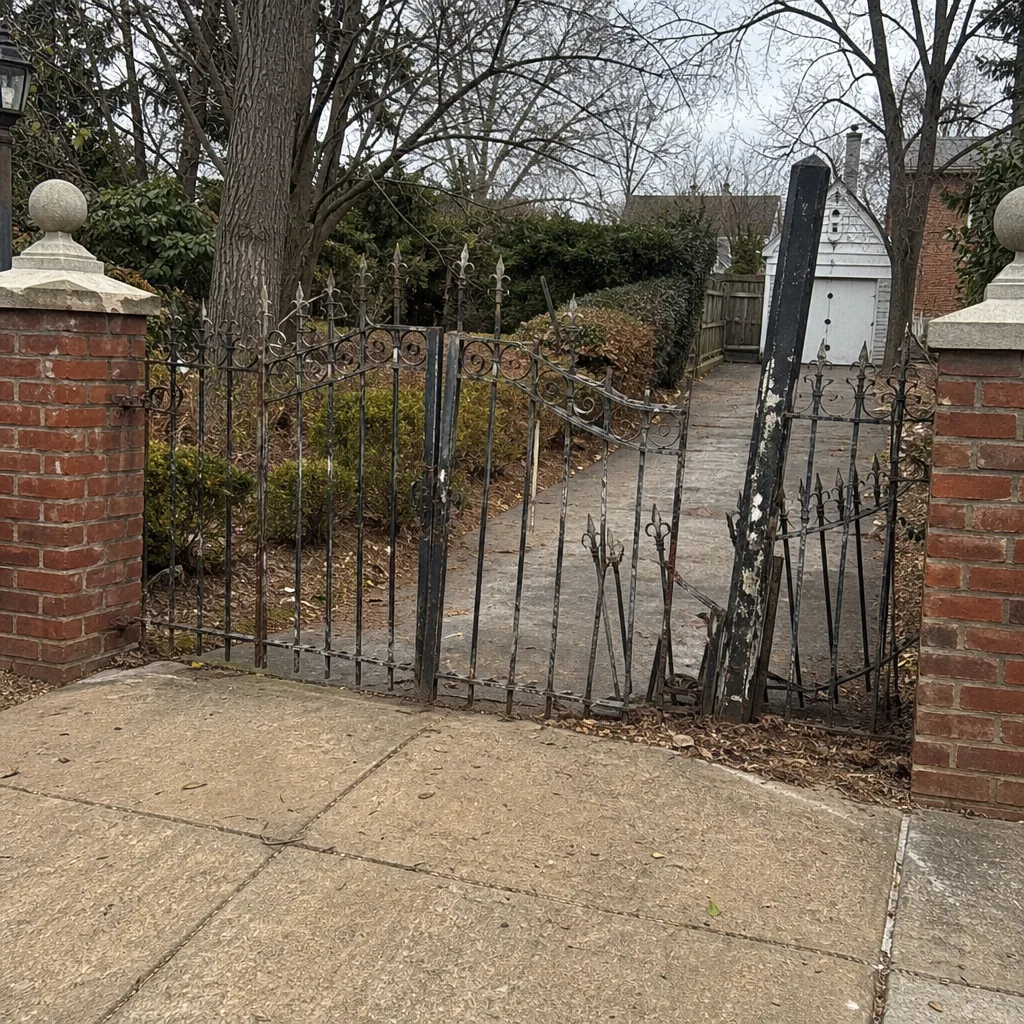 Before
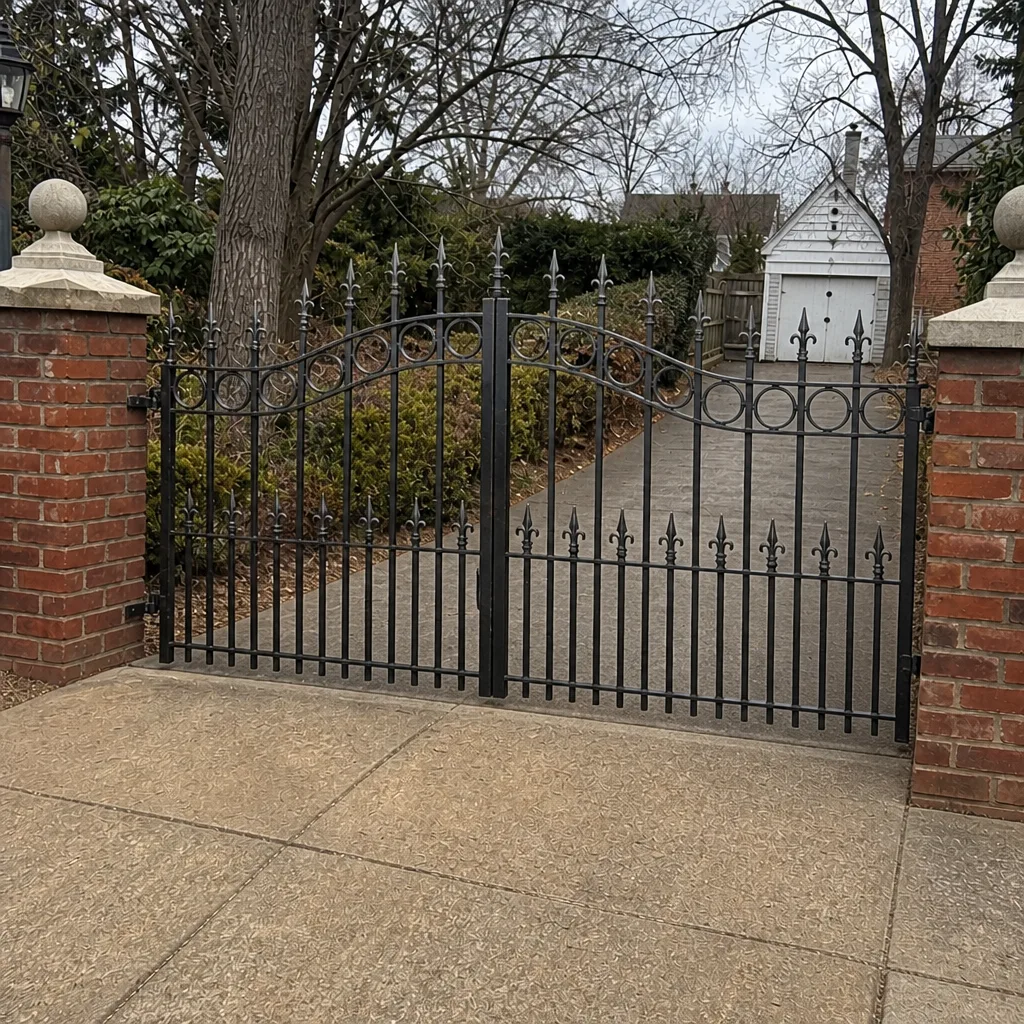 After
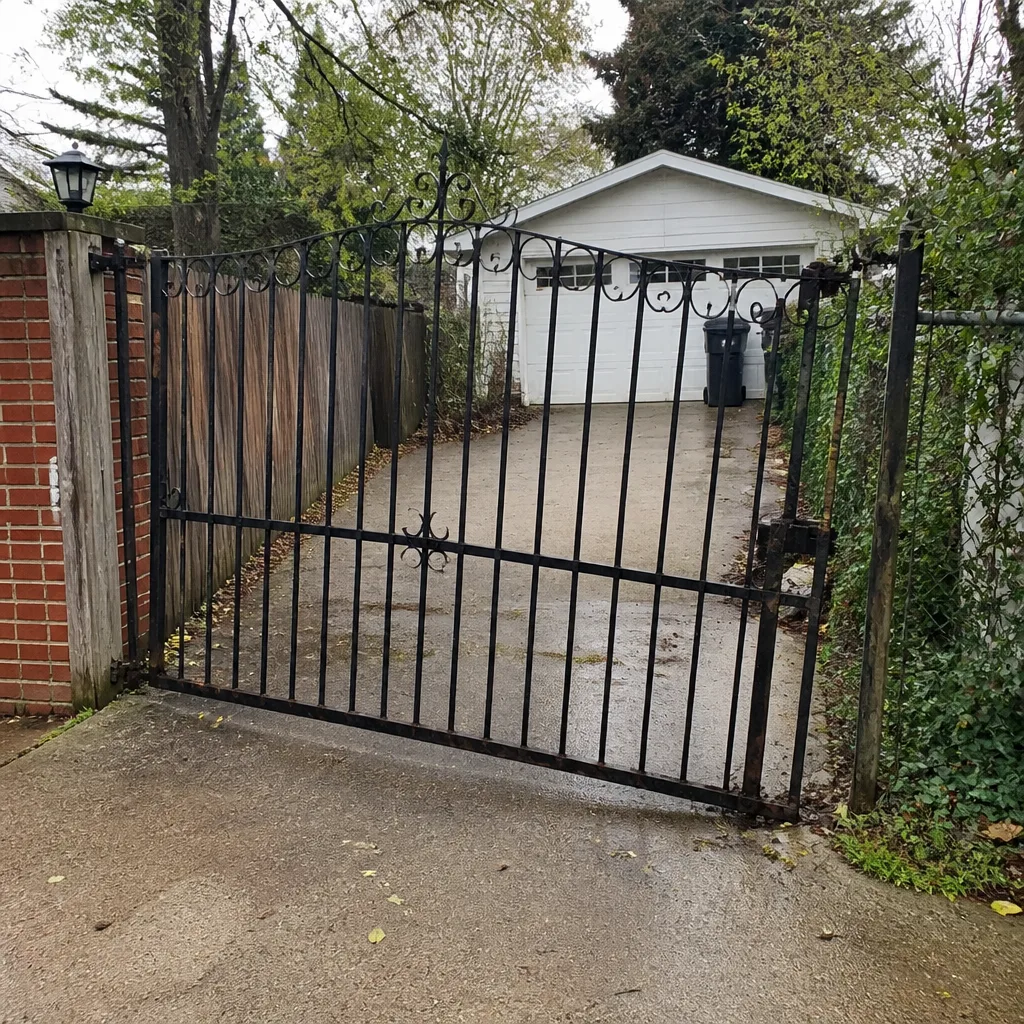 Before
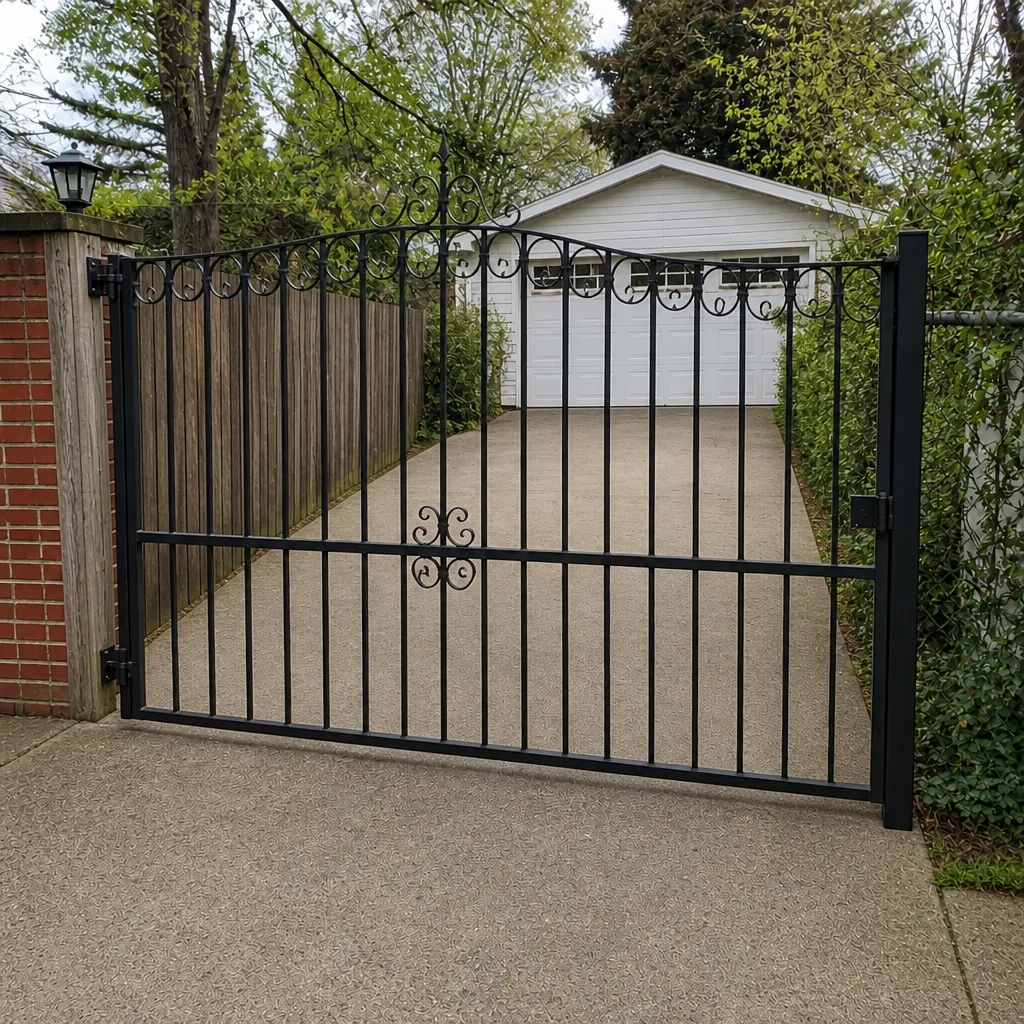 After
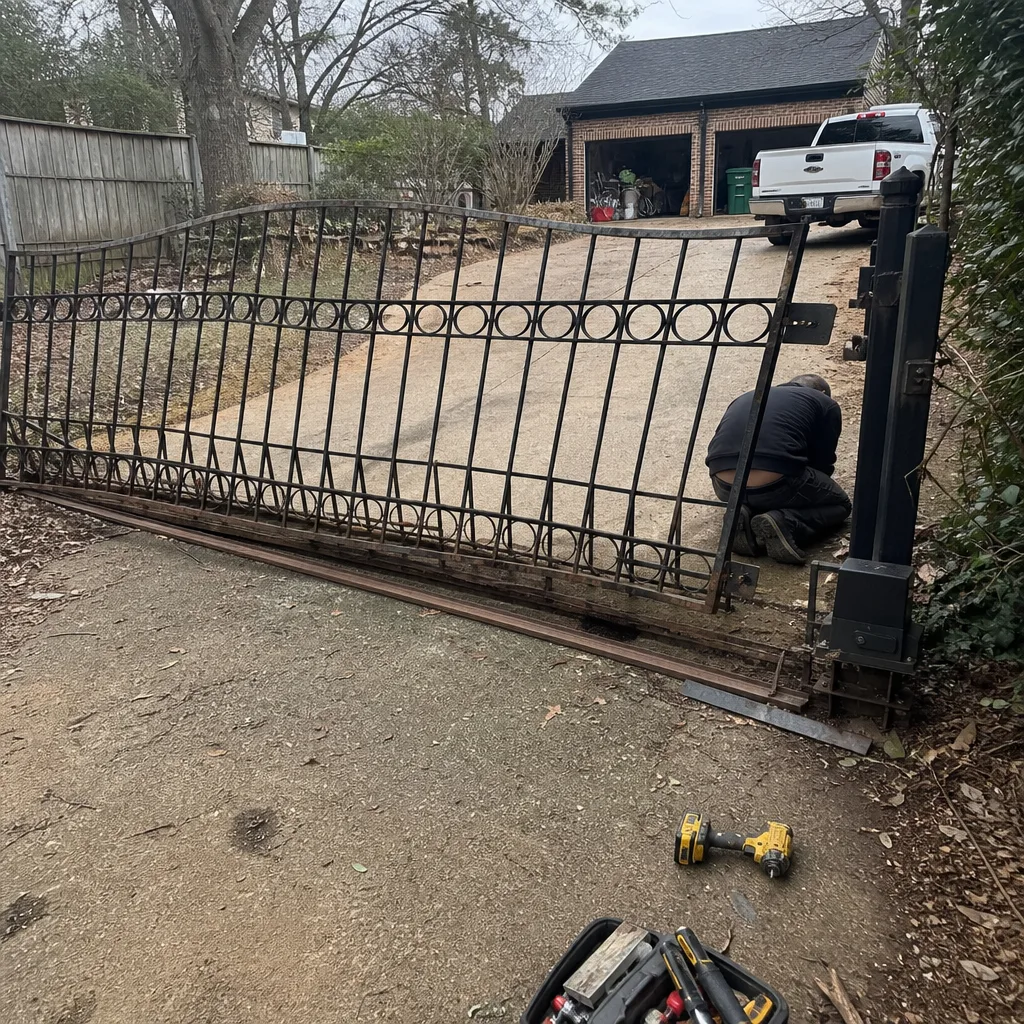 Before
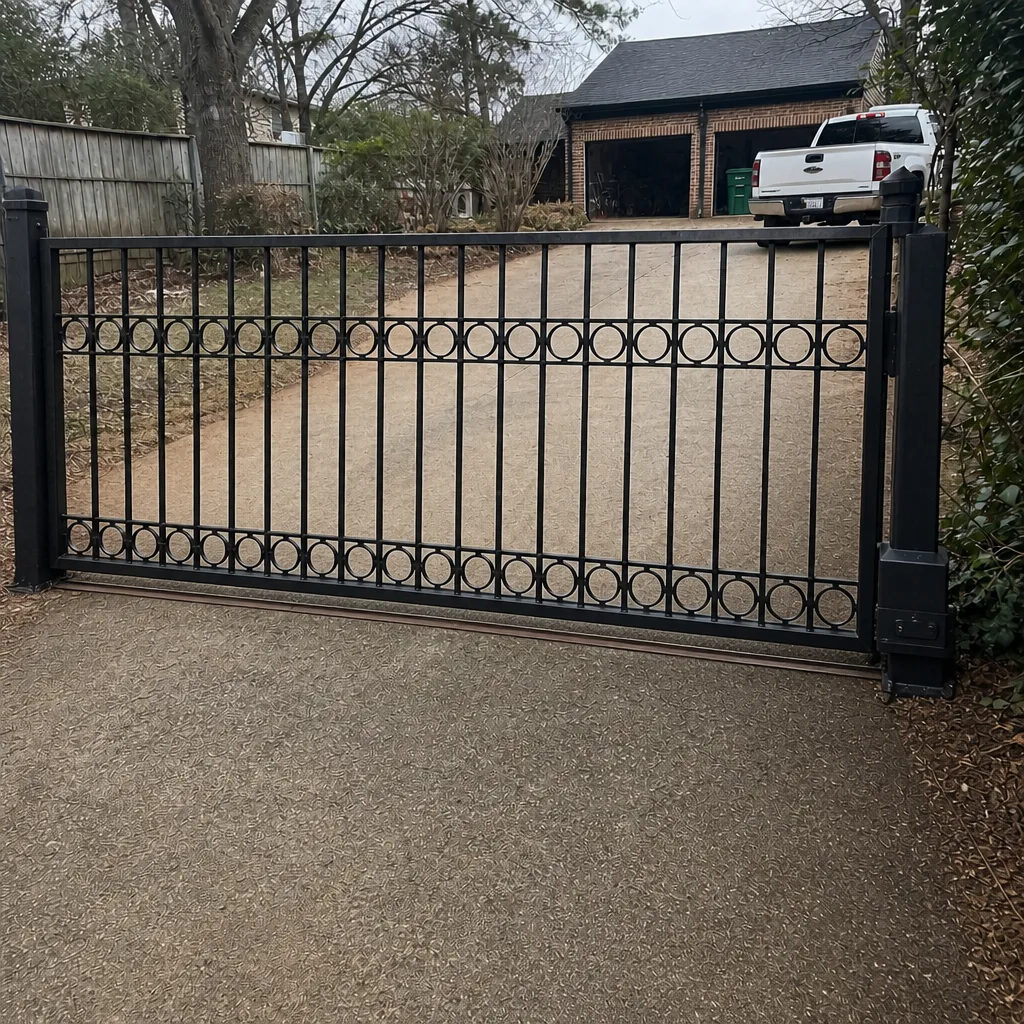 After
Frequently Asked Questions
A gate system should get a professional inspection at least once a year, ideally in spring after the freeze-thaw season, plus a look before the cold arrives in fall. Seasonal homeowner checks between those visits – drainage in summer, lubricant choice in fall, anchor pads in winter, structural pass in spring – fill the gap. Both automated and manual gates benefit from the same annual rhythm, though operators and safety edges need the extra attention. Call (888) 356-9186 for a free estimate on a seasonal inspection.
Winter binding is usually a lubrication or structural issue, not an electrical failure. Heavy grease thickens in cold temperatures and binds hinges and rollers, and freeze-thaw movement can shift a concrete anchor pad or loosen a post collar so the gate no longer swings or slides true. Don’t force a bound gate with the remote or by hand – that can damage the operator. Call us for diagnosis; a binding gate is one of the most common winter calls we get in Alexandria.
Use a cold-rated or synthetic grease on hinges and pivot points, and a dry lubricant on roller tracks and slide gate rails. Avoid heavy general-purpose grease on hinges and rollers, which thickens in the cold and causes binding. On operator internals, follow the manufacturer’s specification and avoid over-lubricating. Our technicians have up to 12 years of experience and can recommend the right product for your specific brand and gate type.
Yes. Sustained summer humidity combined with poor drainage around the pad and operator housing is a common cause of control board trouble, because pooled water and heat together degrade circuitry over a season. Clearing drainage and checking housing seals is the best summer defense. If you suspect water intrusion, have a technician inspect the housing rather than opening it yourself. Our electric gate repair service covers the control board and operator, so one call handles the diagnosis.
Very likely. We service nine major gate automation brands – LiftMaster, FAAC, BFT, Linear, Viking, Ghost Controls, DoorKing, Elite, and Mighty Mule – covering most systems a homeowner already owns. We work on the brand you already have, and we diagnose the actual problem rather than recommending a brand switch. If you’re unsure of the brand, check the operator nameplate or describe the unit to us. Call (888) 356-9186 to confirm compatibility and book a free estimate.
Four seasonal responses, not one annual task. Summer: clear drainage, check housing seals, inspect wooden panels for warp, test safety edges. Fall: use cold-rated lubricant on hinges and dry lubricant on tracks, clear the gate approach, test the cycle in cold weather. Winter: check anchor pads and post collars for movement, keep drainage clear, test in the coldest part of the day. Spring: walk the full path, inspect hinges and rollers, re-check pads, and test safety reversal. Record each check in a maintenance log for warranty documentation.
The Bottom Line
Gate systems in Alexandria fail predictably, in two storms: the cold of winter and the humidity of summer. The fix isn’t a single annual tune-up – it’s four seasonal responses, each aimed at a different threat. Clear drainage before summer, choose a cold-rated lubricant before fall, check anchor pads and post collars through winter, and inspect the structure before spring usage ramps up. Keep a log so every year gets faster than the last. Get the approach and the maintenance right, and a $200 adjustment stays a $200 adjustment. Skip the seasonal work, and you’ll meet the same problem again as a motor replacement. Our goal is the first outcome, every season of the year.
Call Alexandria Gate Repair at Alexandria-focused service specialists at (888) 356-9186 for a free estimate. We answer 24/7. Fast dispatch from 7am to 7pm, Sunday through Friday. From the motor to the hinge, one call covers it.
Written by the team at Alexandria Gate Repair.