
Last updated November 15, 2026
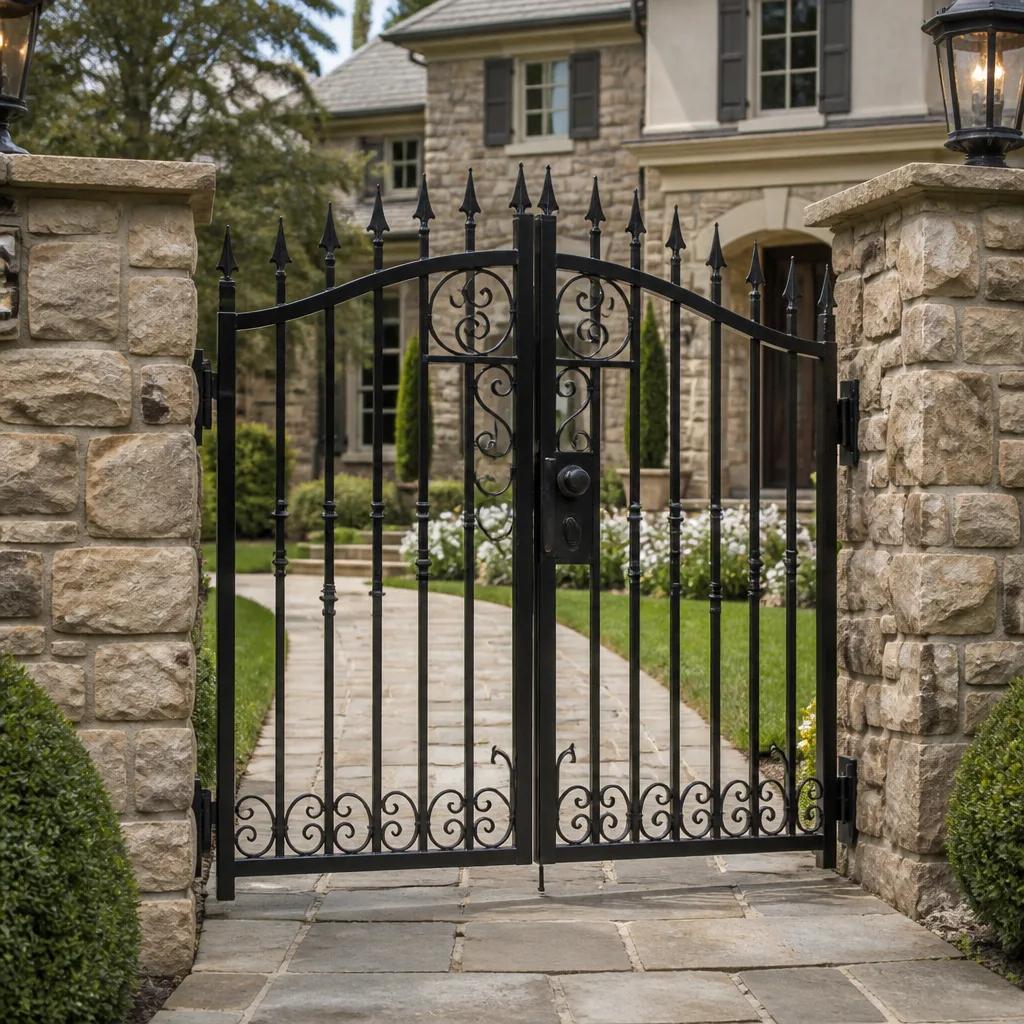 Wrought iron
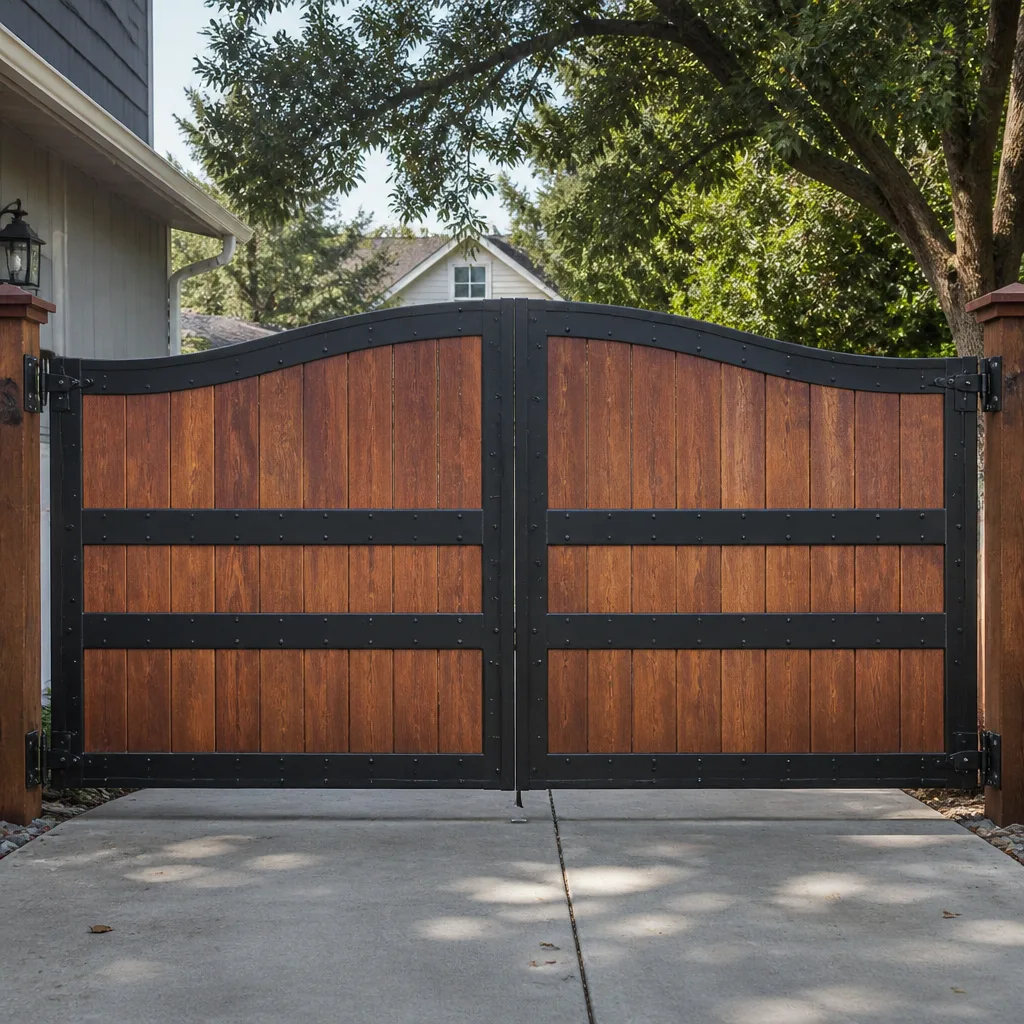 Wood & steel frame
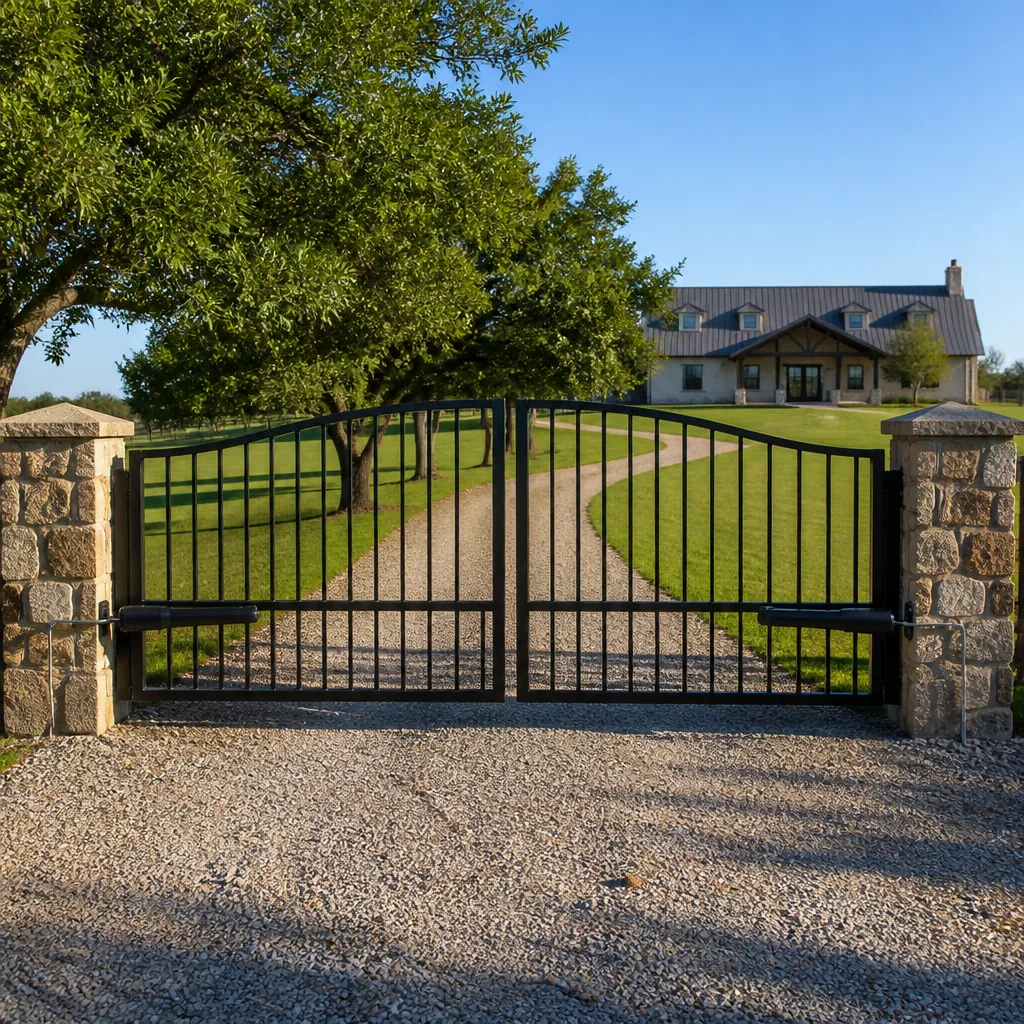 Farm & ranch
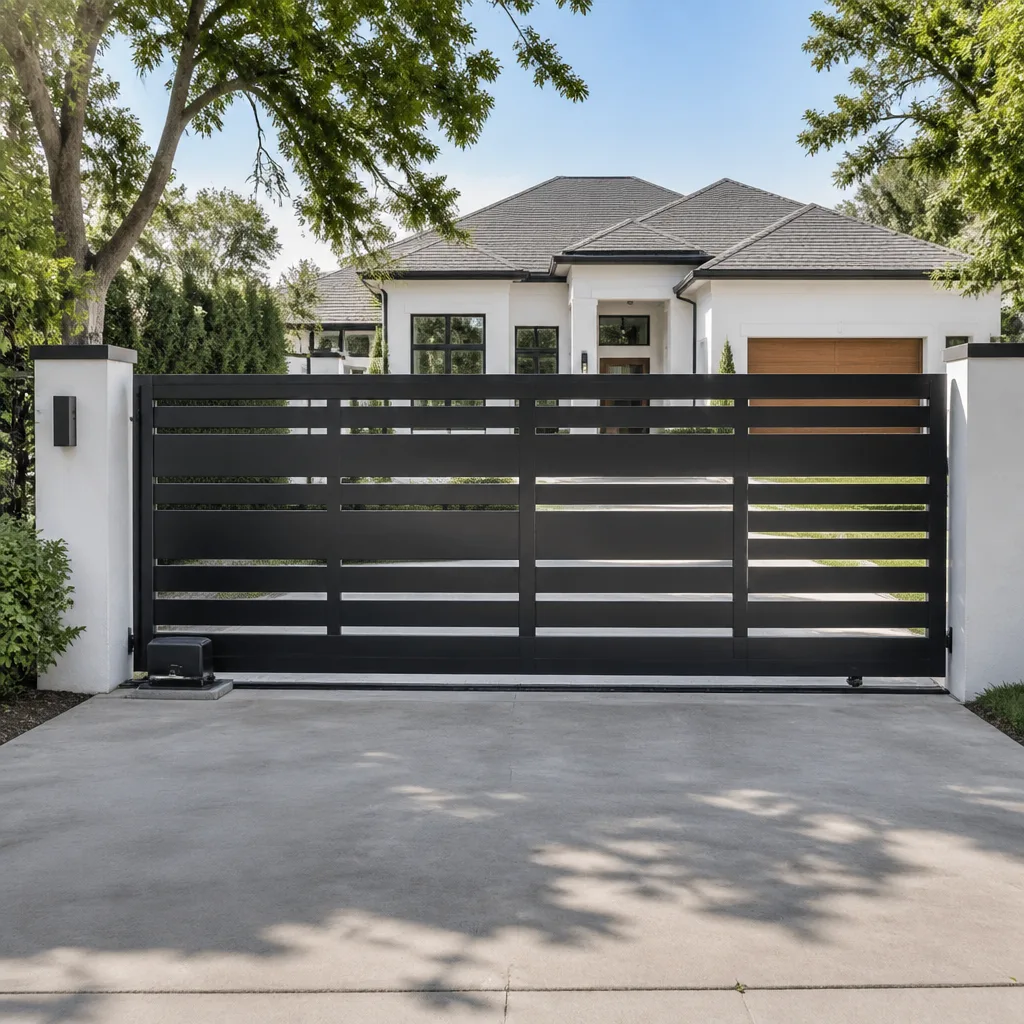 Sliding driveway gates
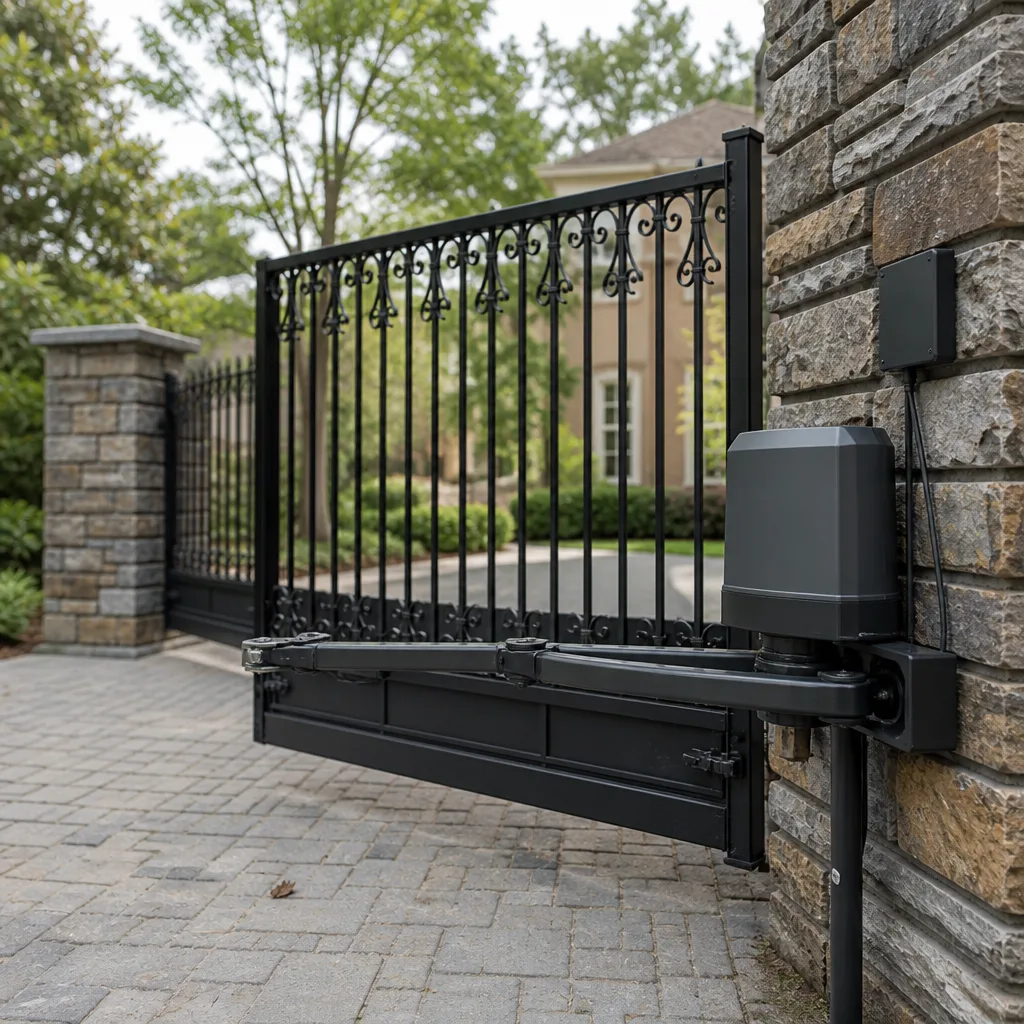 LiftMaster operators
Free on-site gate assessment - hinges, posts, and your LiftMaster or Nice gate operator checked before anything is quoted
The assessment is free and the quote is the invoice.
Get your free estimateHow to Hire a Gate Repair Contractor in Alexandria: A Step-by-Step Guide
Most people assume the hard part of hiring a gate contractor is checking references. It’s not. In Alexandria, the harder problem shows up earlier: a lot of the companies advertising “gate repair” are fence installers or garage door companies who take gate calls when they come in. That distinction decides everything when your automated system fails. The company that shows up determines whether your LiftMaster control board gets diagnosed and repaired or quietly replaced as part of a bigger sales pitch. This guide walks through how to tell those contractors apart before you sign anything: the interview questions that reveal real specialization, what to verify on Virginia licensing, how to read a gate estimate line by line, and how to keep a repair call from sliding into an unneeded replacement.
Quick Answer
To hire a gate repair contractor in Alexandria, confirm four things before you sign: that the company works primarily on gate systems rather than fences or garage doors, that it can name at least six gate automation brands it can source parts for, that its written estimate breaks out each diagnosis and repair line by line, and that it holds the proper Virginia contractor credentials for the work being done. Ask specifically whether it handles both the mechanical structure and the electrical and operator side. If a contractor can’t answer those without checking, keep looking.
Styles & brands we work with
- Wrought iron
- Wood & steel frame
- Farm & ranch
- Sliding driveway gates
- LiftMaster operators
Table of Contents
- Specialist or Dabbler? The First Distinction
- The Five Interview Questions That Reveal Real Expertise
- Virginia Licensing and Credentials to Verify
- How to Read a Gate Repair Estimate
- The Brand Coverage Test
- How to Structure the Service Call and Avoid the Upsell
- Repair or Replace? Deciding With Diagnostics, Not a Sales Pitch
- What Property and HOA Managers Need to Ask
Specialist or Dabbler? The First Distinction
Of the contractors in Northern Virginia who list “gate repair” as a service, most are primarily fence installers or garage door companies. That matters most when the problem lives inside the automation. A fence crew can set a post and hang a gate panel. But when your Mighty Mule operator won’t arm, the fault could be in the control board, the limit switches, the loop detector, or the low-voltage wiring feeding it. Diagnosing that requires someone who does it routinely, not as an occasional side job.
The distinction is easy to miss because both kinds of company use the same words on their websites. Look for signals in what they actually describe. A gate specialist talks about operators, access control, safety edges, and loop detectors. A fence company mentions gates as one line in a longer list that includes fencing, decks, and railings. A garage door company will treat a driveway gate like a wide garage door, which it isn’t. The two systems share some electrical logic but almost no hardware.
There’s a second layer to the distinction: full scope. The contractor who repairs your operator today should also be the one who can handle a full new gate installation down the road. Some outfits only repair, others only install. When a company does both, you don’t have to find a new relationship when the system reaches the point of replacement. That continuity cuts real headaches for HOA boards especially, where the maintenance history lives with one vendor.
In Alexandria, this shows up in both directions: single-family homes with driveway gates off quiet residential streets, and multi-unit properties whose entry systems have been serviced by whoever was cheapest that year. On the commercial side, mismatched service history is often why a system has a list of small lingering faults nobody has ever explained. A single specialist looking at the whole system finds those faster than three vendors each patching one piece.
The Five Interview Questions That Reveal Real Expertise
You don’t need a long conversation to sort a specialist from a generalist. Five targeted questions will tell you what you need to know before you book anything.
- “Do you work on both electric gates and manual gates?” A specialist works on both. A contractor who only handles manual gates or only automation has a gap that will bite you the first time the problem crosses both.
- “Which automation brands can you source parts for?” Listen for a real list, spoken without hesitation. If the answer is vague or starts with “we can get whatever,” ask them to name six. A dabbler cannot.
- “When a gate won’t open, what’s the first thing you check and why?” The answer should mention safety devices, the operator, or the control inputs in some logical order. If the answer is “we’ll come out and look,” that’s fine as a fallback but not as the only answer.
- “Do you work on the mechanical gate itself, or only the operator?” A good answer covers both: hinges, rollers, tracks, and posts as well as motors, boards, and sensors. A gate rarely fails in only one layer.
- “Can you send me a written estimate before any work starts?” Every competent contractor will say yes. If they won’t commit, that’s the answer.
The best signal across all five is fluency. A specialist in Alexandria who has actually worked on the systems you own will answer quickly and specifically. A generalist will pause, hedge, or redirect to “we’ll take a look.” That pause is worth paying attention to.
Virginia Licensing and Credentials to Verify
Virginia licenses contractors through the Department of Professional and Occupational Regulation, and the requirements vary based on the scope and value of the work. For a routine gate repair, the contractor you hire should at minimum be able to tell you their license class and show proof of it. For a larger installation or an electrical-adjacent job, the credentials matter more, and you should verify them rather than take the contractor’s word.
What to check before signing anything:
- License class and number. Look the number up yourself on the state’s online lookup. It takes a minute and closes the door on a lot of problems.
- Insurance. General liability and workers’ compensation coverage. Ask for a certificate; a legitimate contractor will have one ready.
- Local permit requirements. Gate installation, especially with new posts or concrete footings, may require a permit in Alexandria. Ask your contractor whether one is needed for your specific job, and check with the city’s building department if you’re unsure. A specialist will already know to raise this.
- Electrical scope. If the job involves new power runs to an operator, make sure whoever does that work is qualified for it. Low-voltage control wiring and 120V line voltage are different problems.
Safety matters here, and it’s worth spelling out. Automated gates move heavy panels under motor power. Crush risk, entrapment, and electrical hazard are real on these systems, and the safety devices exist to prevent serious injury. This is not a job for a homeowner with a wrench and a video. Ask the contractor directly how they test safety edges and reversing functions after a repair. If that question gets a blank look, move on.
How to Read a Gate Repair Estimate
A written estimate is where a competent contractor and a vague one diverge. The line items should tell you specifically what’s wrong, what’s being done about it, and what parts are involved. A good estimate is not the cheapest one; it’s the one that leaves you with no surprises after the work is done. The price you agree to before work begins is the price the written estimate sets.
Signals of a competent estimate:
- Named diagnosis, not just a symptom. “Failed limit switch on the open side” beats “gate repair.”
- Parts broken out separately from labor, with brand and part description.
- Diagnostic or inspection listed as a line, with a clear scope. If the contractor doesn’t yet know what’s wrong, that should be stated.
- Explicit list of what is and is not included. Wiring runs, concrete, and painting are common gotchas.
- A written note on what happens if the diagnosis changes during the job, and how the price is adjusted before more work proceeds.
Signals of a vague quote that leads to scope creep:
- One lump number with no breakdown, or a range so wide it tells you nothing.
- “Repair as needed” with no detail about what might be needed.
- A quote that immediately proposes replacement without a diagnosis or a documented test of the existing system.
- No mention of safety testing at the end of the job.
- Pressure to sign on the spot.
One thing a specialist should always confirm in writing: that no work starts until the price is quoted and agreed. It sounds obvious, but you’d be surprised how many “we’ll figure it out when we get there” jobs end badly. Read the estimate with that in mind.
The Brand Coverage Test
Ask a contractor on the phone which gate automation brands they can source parts for. A specialist names at least six without hesitating. That’s the test. A company that has to check, guess, or offer a single brand is not a specialist, and the limitation will show up the first time your system needs a part that isn’t on the truck.
The market has real variety in automation systems. LiftMaster, DoorKing, Elite, Mighty Mule, FAAC, BFT, Linear, Viking, and Ghost Controls are all common in this region, and each has quirks. A company that knows one brand deeply will try to pull every job toward that brand, either by installing it new or by treating the current system as not worth repairing. A company that works across many brands has no incentive to steer you toward a brand switch when your system needs a control board and nothing more. We work on the brand you already have, whether it’s a DoorKing system at a commercial entry point or a residential LiftMaster operator on a driveway gate.
You can run the test in a single call. Name your brand and ask whether they can source parts for it, and what the lead time typically looks like. A specialist will answer in specifics. A generalist will offer to “check and call you back,” and in our experience that callback doesn’t come.
How to Structure the Service Call and Avoid the Upsell
The most common way to get talked into a full replacement you didn’t need is to let the conversation start with the sales pitch instead of the diagnosis. You control the structure. Here’s how to keep the call on track.
- State the symptom, not the conclusion. “The gate won’t close all the way” is a symptom. “I need a new operator” is a conclusion you haven’t earned yet.
- Ask for the diagnosis before the recommendation. Simple phrase: “Can you tell me what’s actually failing before we talk about anything else?” A good contractor will do this anyway.
- Ask what they tested. Boards, sensors, limit switches, safety devices, mechanical bind. The list should tell you they’re actually investigating, not just eyeballing the gate and reaching for a quote sheet.
- Get the repair estimate in writing first. No verbal agreement, no handshake. Written, quoted and agreed before work starts.
- If replacement comes up, ask why repair isn’t viable. Sometimes it isn’t, and a straight answer will explain it: obsolete parts, repeated failures, structural damage that makes repair unsafe. Sometimes it is, and a repair-focused company will say so and quote that instead.
- Run a safety check at the end. Confirm that safety edges and reversing functions have been tested before the technician leaves. This is not a formality; it’s what makes an automated gate safe to operate.
A gate repair call that goes well feels methodical. The technician asks good questions, checks the whole system, and explains what’s wrong in plain language. If at any point you feel pushed toward a bigger job than you called about, you’re allowed to stop the conversation and get a second opinion.
Repair or Replace? Deciding With Diagnostics, Not a Sales Pitch
Replacing an automated gate operator is a real expense, and a repair-focused company will only recommend it when the evidence supports it. There are honest reasons to replace: parts no longer available for the model, a control board that has failed twice in a short window, structural damage to the gate that makes continued operation unsafe, or a system that was never sized correctly for the gate in the first place. There are also dishonest reasons: a sales target, a brand the contractor wants to install, or a technician who can’t diagnose the actual fault.
Ask for the logic behind a replacement recommendation. Which parts are unavailable? What was tested and failed? What’s the failure pattern? A specialist can talk through all of that. A generalist will usually say “it’s old” and move on. Old isn’t a diagnosis.
There’s a useful shortcut here. If your gate was working fine last week and won’t move this week, the problem is almost certainly a component failure, not a system-wide end of life. That’s an electric gate repair conversation first. A good contractor will start with diagnostics and let the findings decide. If the diagnosis points to replacement, you’ll have a documented case for it and can budget accordingly. If it points to a repair, you’ll have your system back for a fraction of what a new install would cost.
What Property and HOA Managers Need to Ask
If you’re managing access points for a multi-unit property or an HOA in Alexandria, the hiring checklist gets a bit longer. The stakes are higher because a gate failure affects every resident, and the vendor relationship is ongoing rather than one-and-done. The questions shift from “can you fix this” to “can you own this system for us.”
- Do you handle both the mechanical gate and the access control side? An entry system that pairs a DoorKing intercom with a swing operator has two layers, and a contractor who only services one will always have to bring in somebody else.
- What’s your reporting format after a service visit? You need a written record of what was tested, what was fixed, and what needs attention next. That record is what keeps a board out of the dark at the annual review.
- How do you handle resident-facing safety? Confirm the contractor’s process for testing safety edges, reversing, and loop detectors. That test protects the association and the residents.
- Can you quote installation as well as repair? Eventually the system will reach the end of its life, and you don’t want to start a new contractor search then.
- Do you have a documented service history we can review? For a large property, prior work on similar systems is the best predictor of a smooth job.
The energy angle is worth noting: an automated gate that was specified for a lighter gate, or one with an undersized operator, will show up as repeated failures on the maintenance log. A specialist asks about the original spec before recommending another repair.
Common Mistakes to Avoid
- Hiring on price alone. The cheapest quote often comes from a company that doesn’t specialize, and the difference shows up in the second or third visit when the real problem is finally diagnosed. A slightly higher quote from a specialist is usually the better deal.
- Skipping the brand question on the phone. If you don’t ask which brands they service, you find out when the technician is standing at your gate with nothing to install. Ask first.
- Accepting a verbal estimate. A price quoted verbally and never written down is a price you can’t hold anyone to. Insist on written, quoted and agreed before work starts.
- Treating a garage door company as a gate specialist. Garage door repair and gate automation are not the same trade. A company that handles one may not handle the other, and the phone script doesn’t always reveal that.
- Not asking about safety testing. Safety edges and reversing functions exist for a reason. Any repair that doesn’t end with those being tested is an incomplete job.
- Assuming the city doesn’t require a permit. Some gate installs do require one, especially where new footings or electrical work is involved. Ask, and if the contractor shrugs, call the city’s building department.
- Ignoring a stuck gate because it’s Saturday. We’re closed on Saturdays, but you can still call and we’ll book you into the next opening. Don’t wait a week to make the call and let a small issue grow.
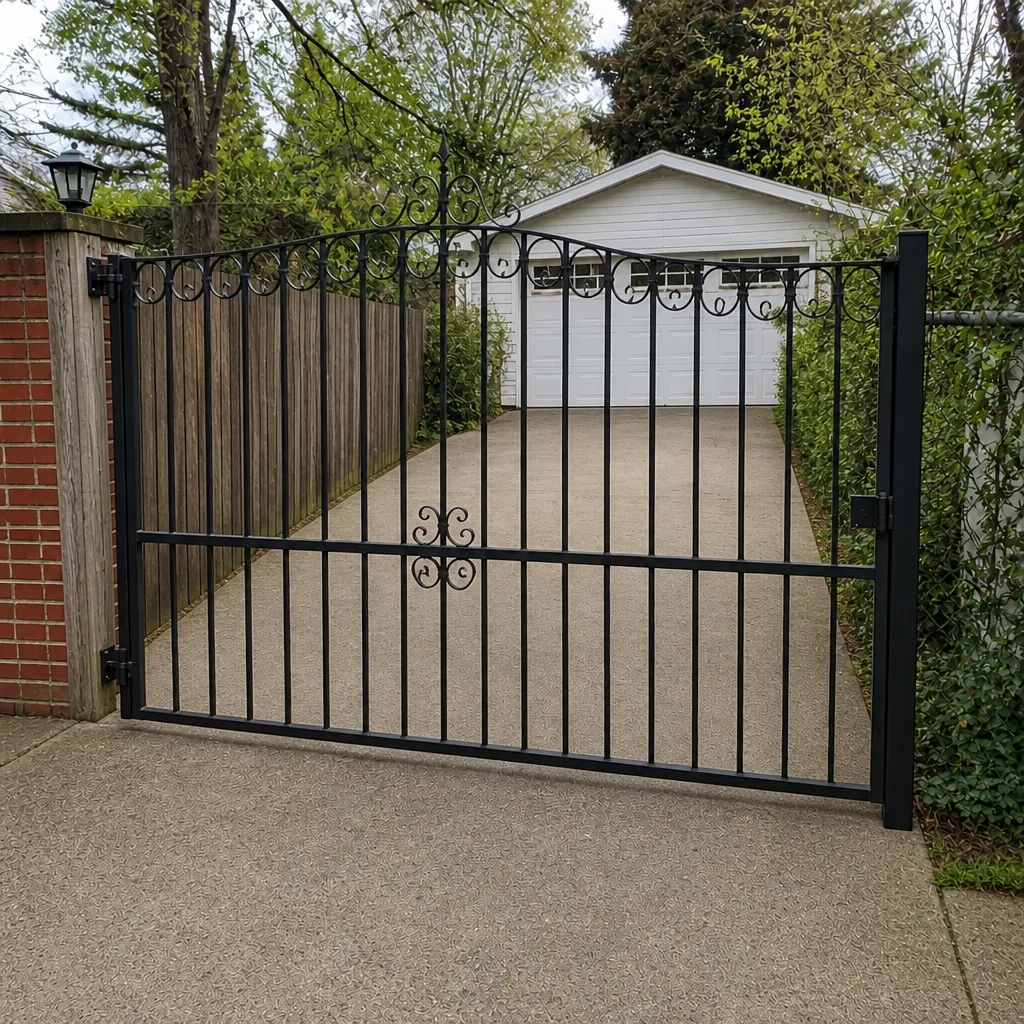
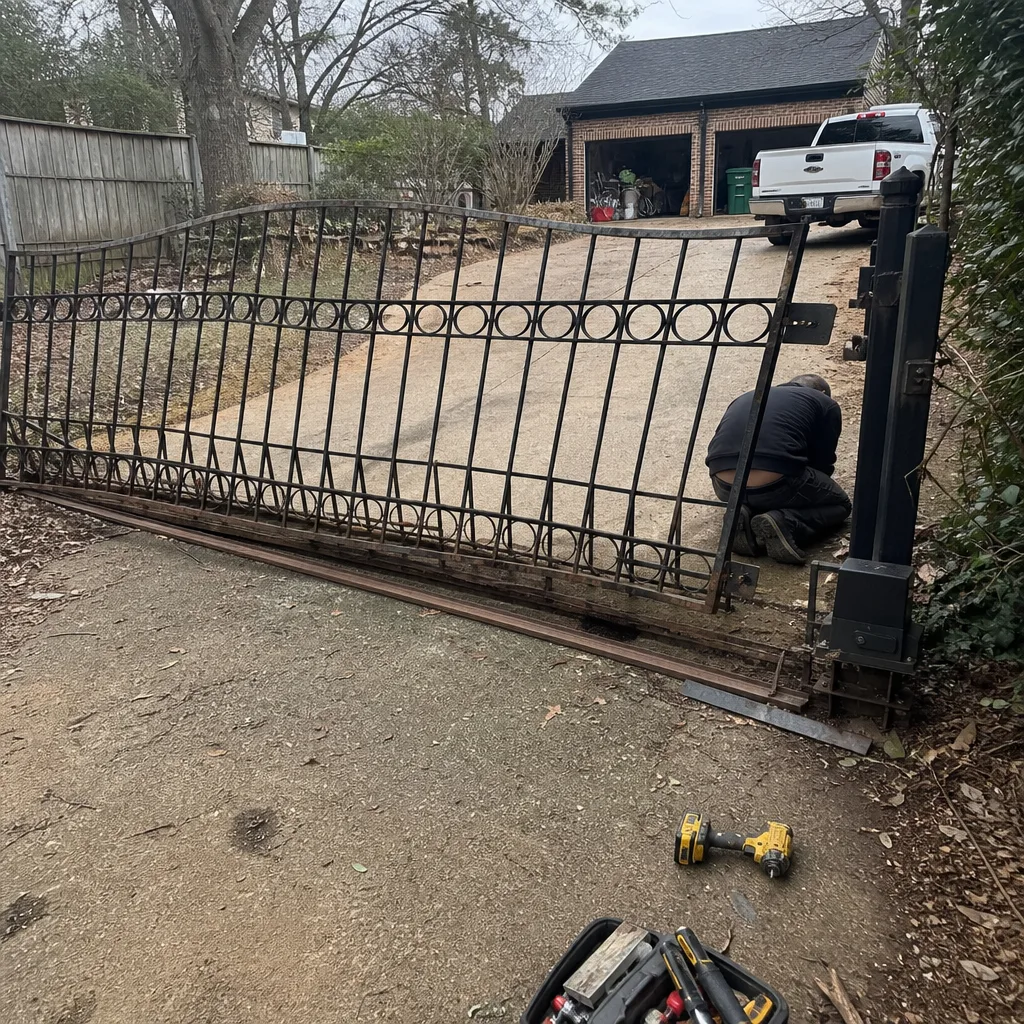
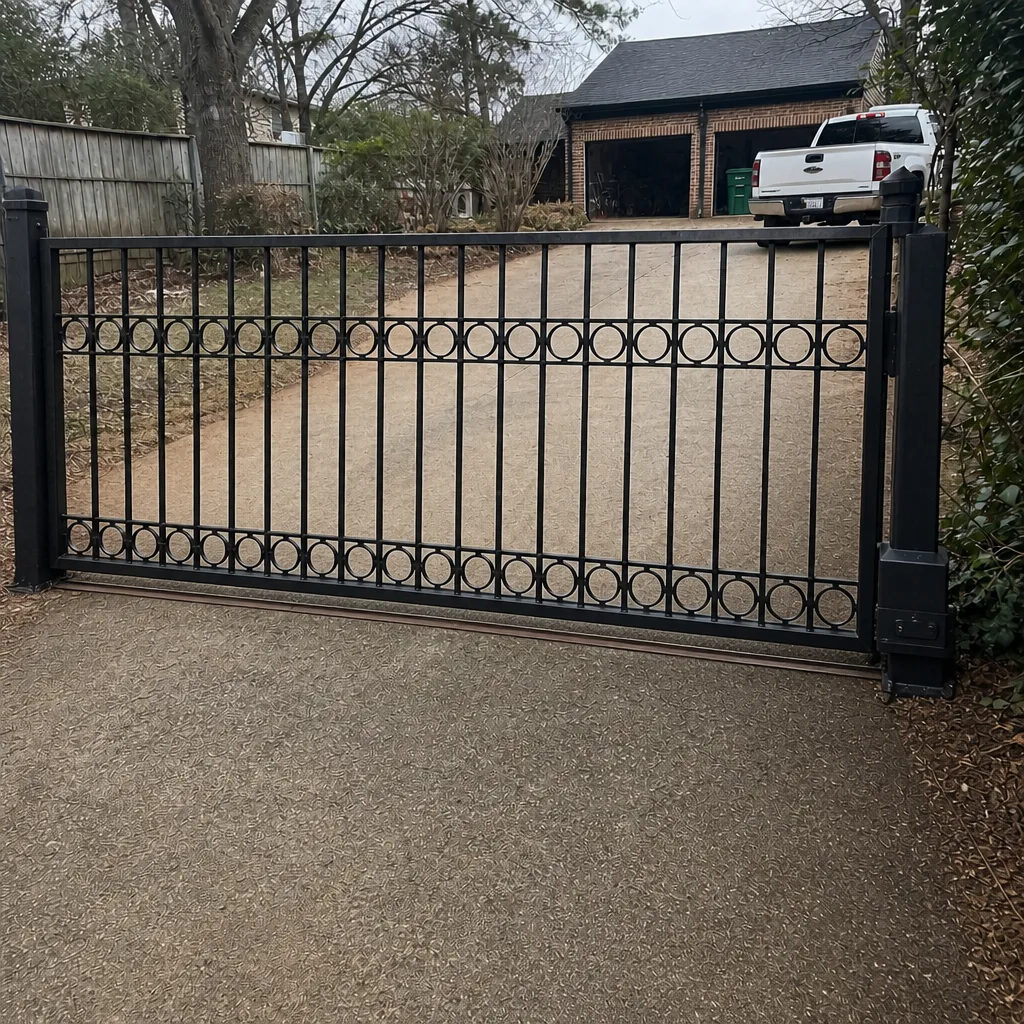
See the difference
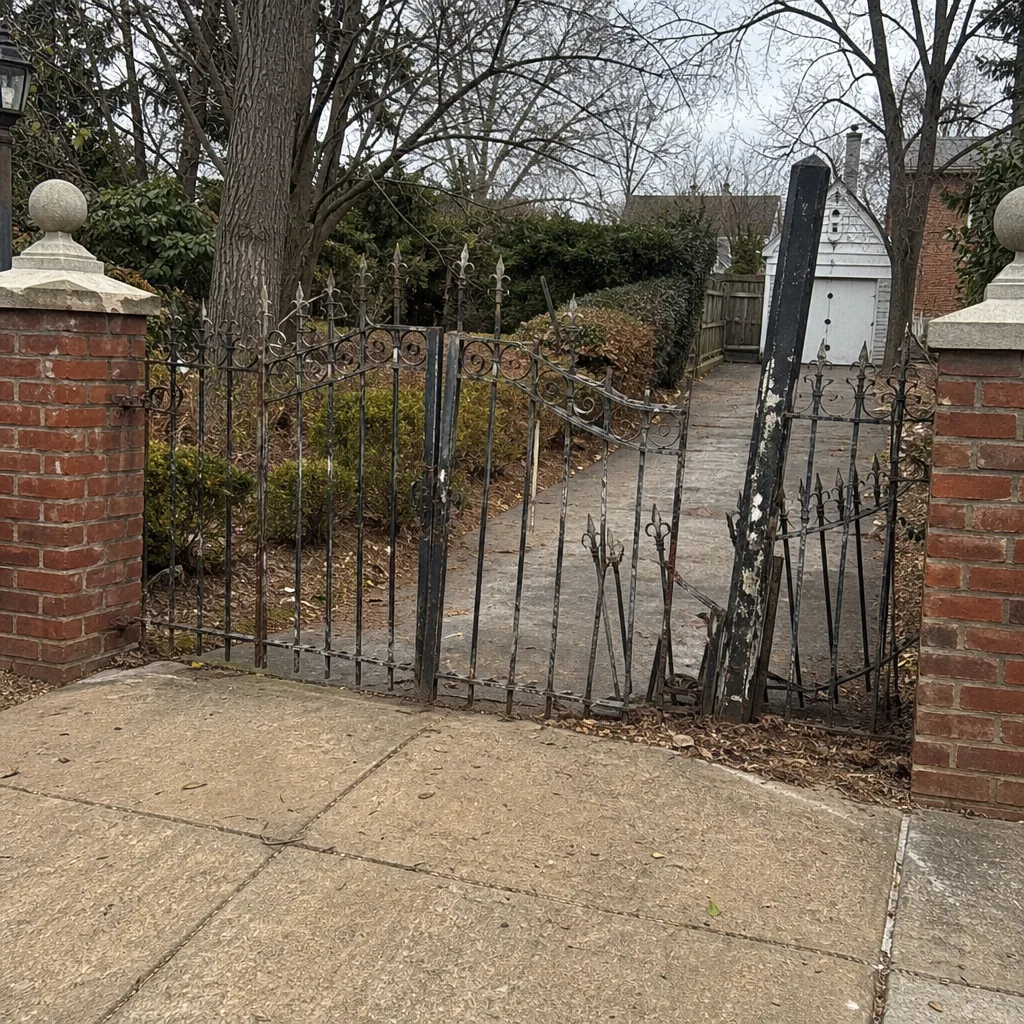 Before
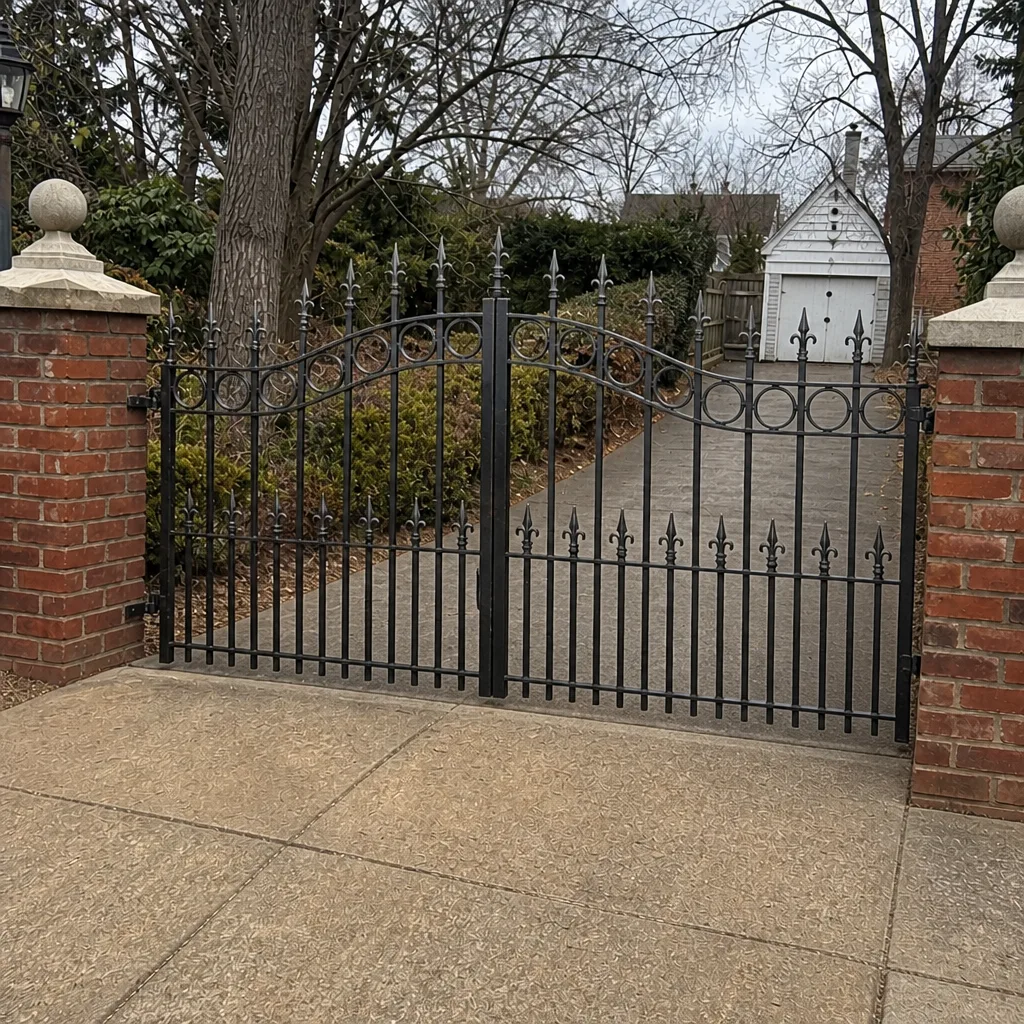 After
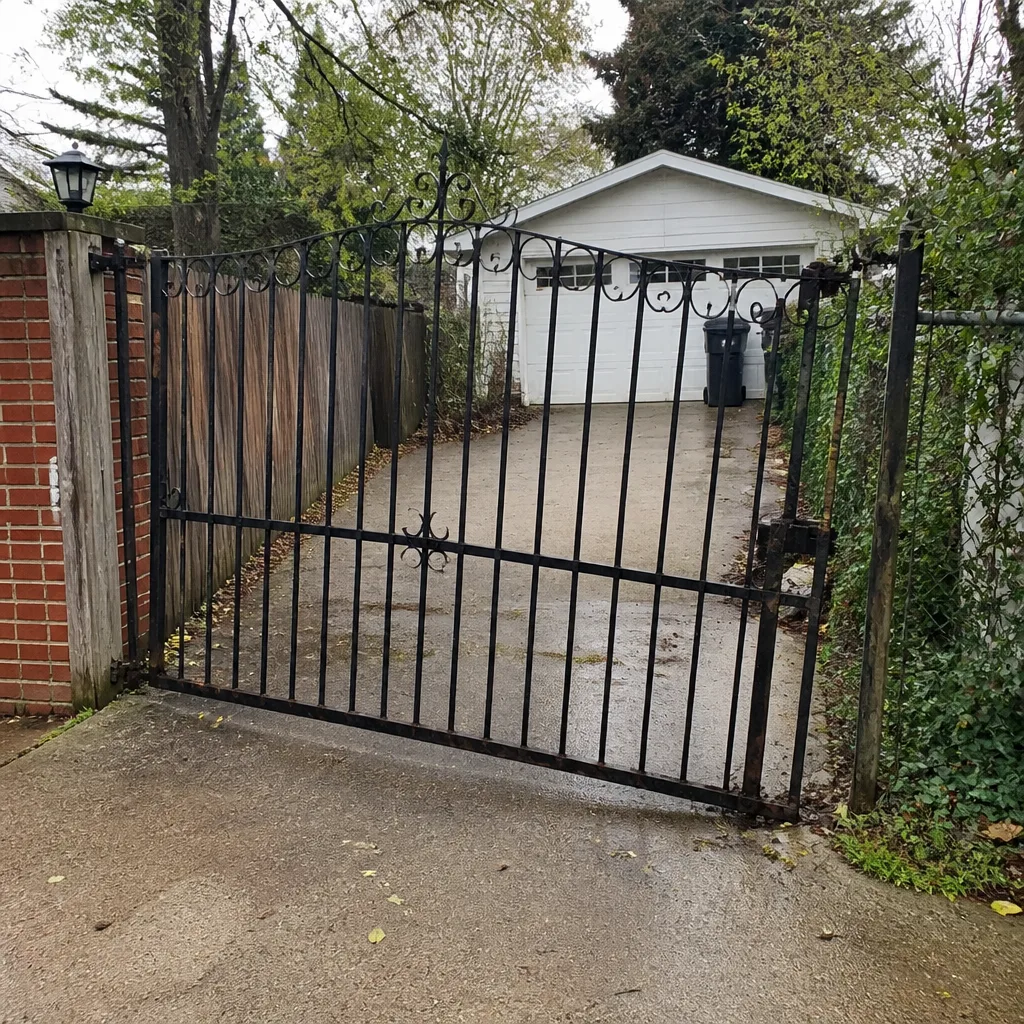 Before
 After
 Before
 After
When to Call a Professional
Some things you should never try to fix yourself on an automated gate. A gate that moves when it shouldn’t, a safety edge that isn’t responding, an operator that opens or closes without a command, or any visible damage to wiring or the control box all warrant a call. Heavy panels that can crush, slide gates that come off the track, and live electrical components are not a homeowner’s jurisdiction, and the risk to a person standing in the gate’s path is real. On manual gates, a post that’s been hit and no longer plumb, a hinge that has worked loose, or a latch that won’t catch after years of use are also worth a professional look before the gate becomes a safety problem. Alexandria Gate Repair offers free estimates in Alexandria. Call (888) 356-9186.
Frequently Asked Questions
A real gate specialist names at least six gate automation brands they can source parts for, works on both electric and manual gates, and can describe the mechanical and electrical sides of a system in the same conversation. Ask the brand question on the phone before you book. A generalist will hedge or offer to check; a specialist will rattle them off. Call (888) 356-9186 for an exact quote. Estimates are free.
A good estimate includes a named diagnosis, parts broken out from labor, a clear scope of what’s included and what isn’t, and a note on how the price will be adjusted if the diagnosis changes mid-job. The price is set per job by the written estimate, and you should never agree to work starting before that estimate is quoted and agreed. Ask for it in writing and read the whole thing.
Often, yes. Same-day repair is common for straightforward component failures when we’re dispatched to your area. We answer 24/7, and fast dispatch runs 7am to 7pm, Sunday through Friday. Call (888) 356-9186 and we’ll confirm timing based on what your gate is doing.
It depends on the job. New footings or new electrical runs commonly trigger a permit, and rules can vary not just city to city but by what’s being installed. Ask your contractor, and confirm directly with the City of Alexandria’s building department. A specialist will raise the question themselves rather than wait to be asked.
Electric gate repair covers the operator, control board, sensors, and low-voltage wiring that drive an automated gate. Regular gate repair covers the physical structure: hinges, rollers, tracks, posts, panels, and latches. Most failures involve both layers in some way, which is why it helps to hire a company that handles the full system rather than only one half. We handle both, and we diagnose from the gate outward before recommending anything.
Garage door companies know garage doors well. Gate automation is a different trade with different hardware, different safety systems, and different brand coverage. A garage door technician may be able to replace a motor, but the odds of a correct diagnosis of your gate’s actual failure go down, and you may end up paying for a replacement you didn’t need. Call (888) 356-9186 for an exact quote. Estimates are free.
The Bottom Line
The hiring decision comes down to specialization. In Alexandria, a contractor who works primarily on fences or garage doors will look similar to a gate specialist on a website and then handle your job differently once the diagnosis begins. The four-point checklist that separates them: they work on both electric and manual gates, they can name at least six automation brands, they break their estimates down line by line, and they confirm the price in writing before any work starts. Run those four checks on any contractor you’re considering, ask the five questions, structure the service call so diagnostics come before recommendations, and you’ll leave the contractors who dabble behind and land on the one who actually fixes your gate. If your gate won’t open, won’t close, or was never installed right, call (888) 356-9186 for a free estimate. We answer 24/7. Fast dispatch from 7am to 7pm, Sunday through Friday.
Written by the team at Alexandria Gate Repair.