
Last updated November 15, 2026
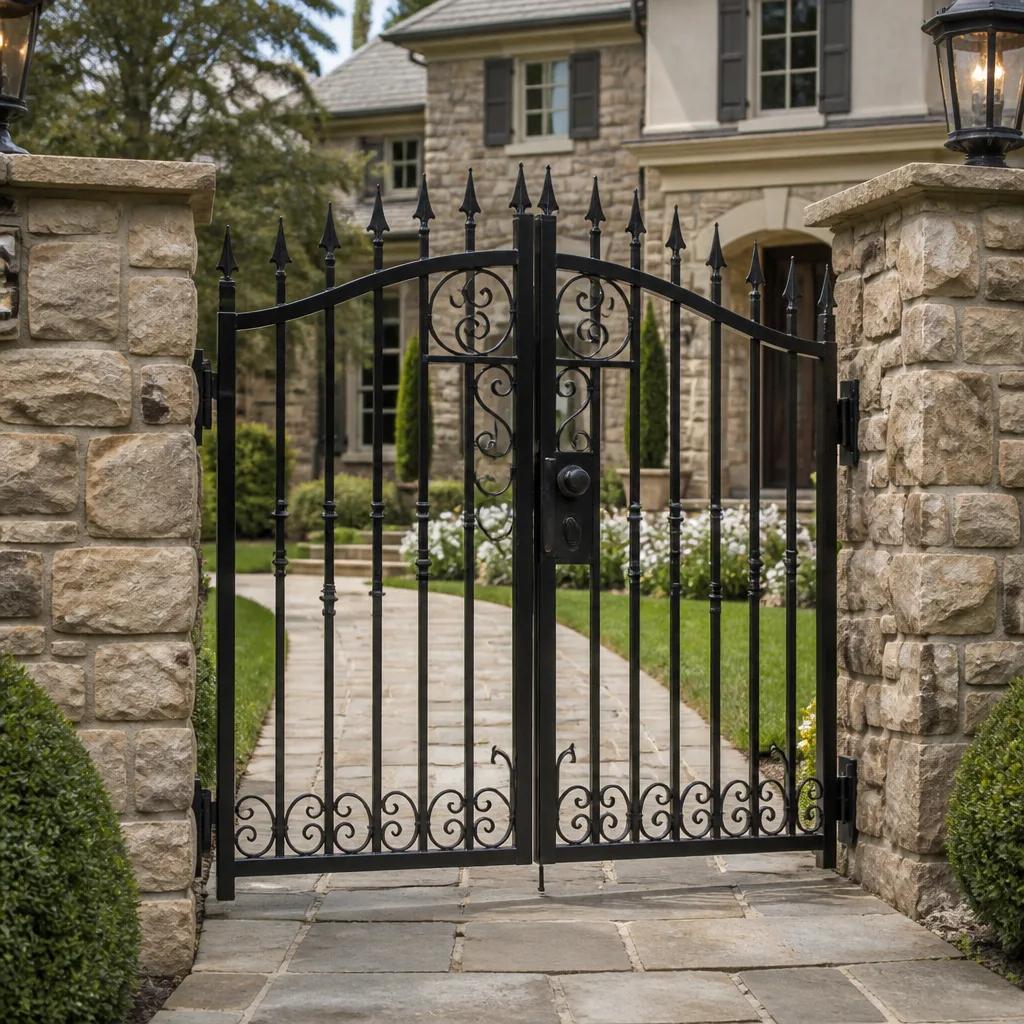 Wrought iron
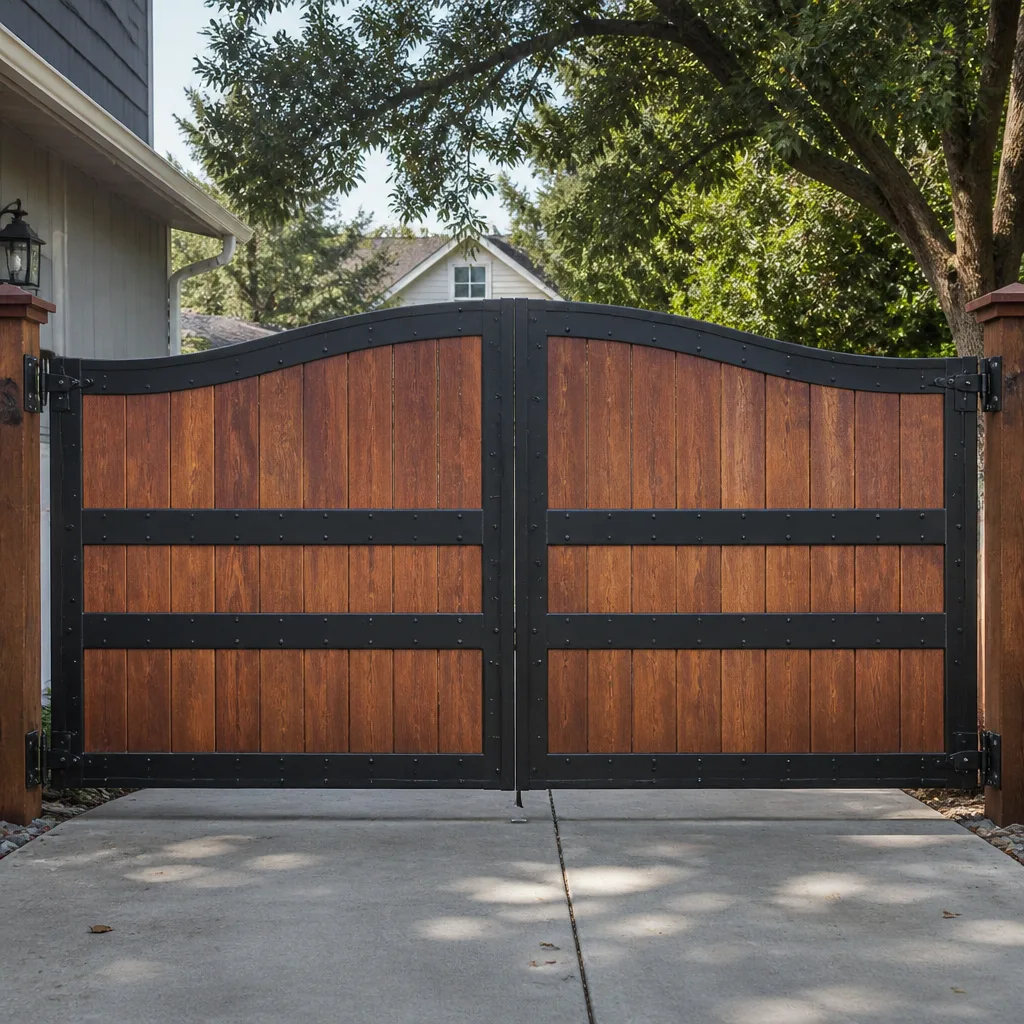 Wood & steel frame
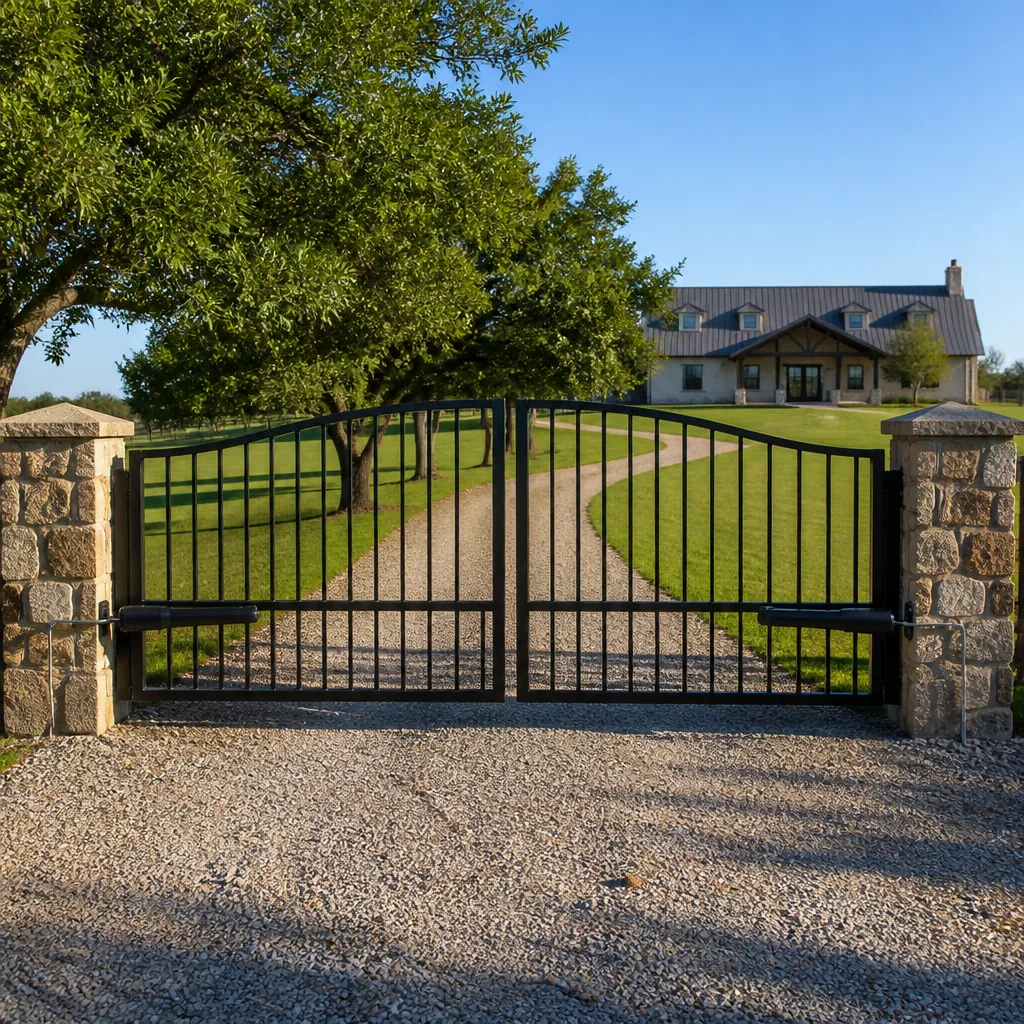 Farm & ranch
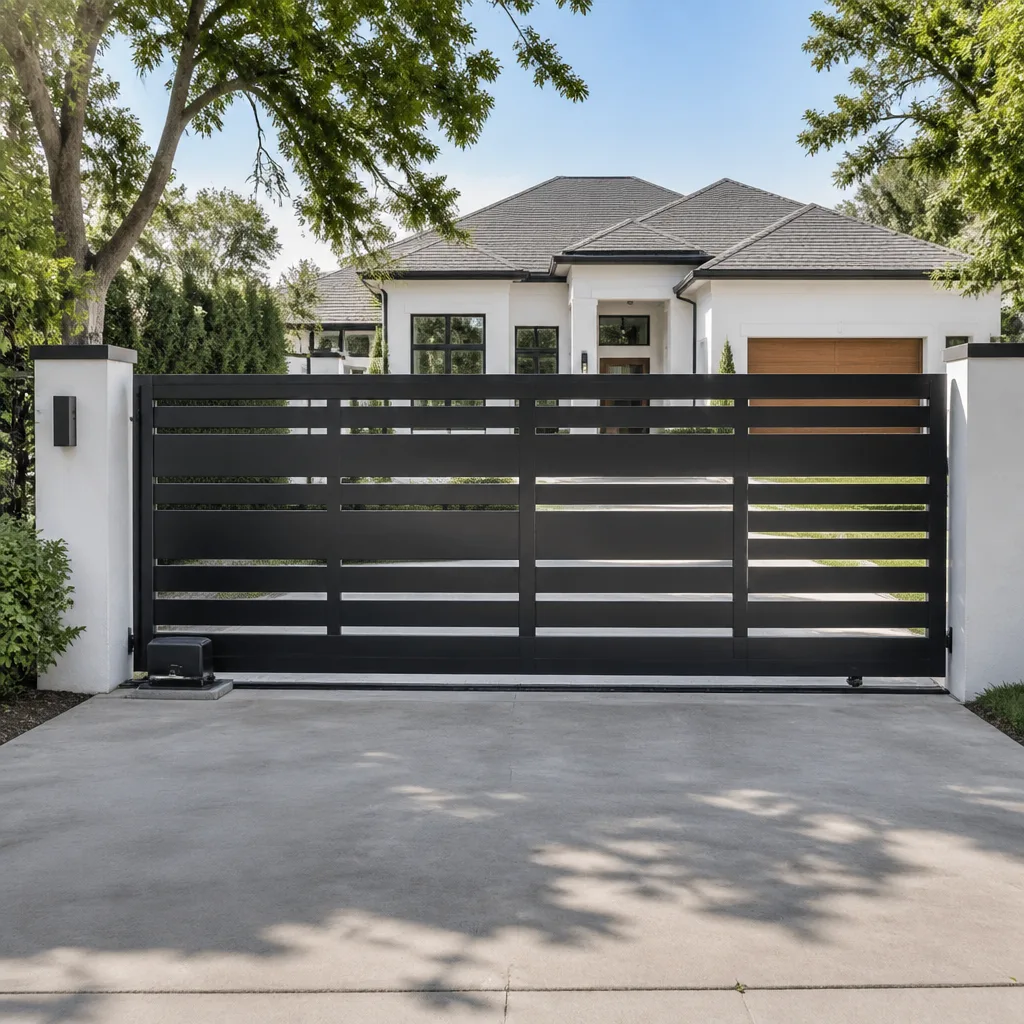 Sliding driveway gates
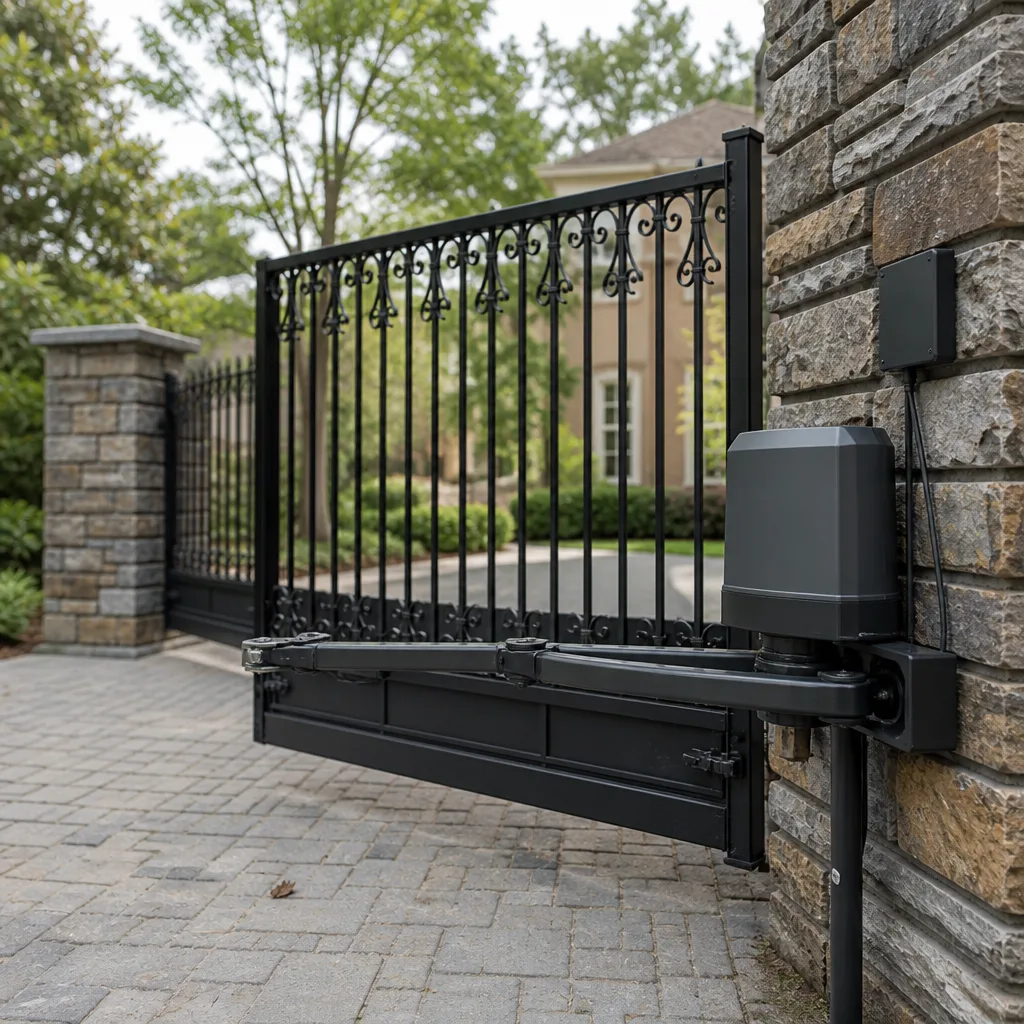 LiftMaster operators
Free on-site gate assessment - hinges, posts, and your LiftMaster or Nice gate operator checked before anything is quoted
The assessment is free and the quote is the invoice.
Get your free estimateGate Repair Permits, Codes & Inspections in Alexandria, VA: What You Need to Know
Replacing a gate operator sounds like a simple swap. In Alexandria’s Old Town historic districts, it can trigger a Board of Architectural Review process that catches homeowners completely off guard. The gate is behind the house, out of public view, so the assumption is that no one cares what happens to it. Then the permit application stalls, the neighborhood association gets involved, and a two-day job stretches into months. We’re a gate specialist working across Alexandria every week, and we’ve watched this play out often enough to know the rules deserve a straight explanation before anyone signs a work order. This guide covers which gate repairs need a permit in the City of Alexandria, which count as exempt like-for-like replacements, how the historic district overlay restricts gate modifications in Old Town and Parker-Gray, what UL 325 entrapment protection actually requires of an automated gate, and how unpermitted work surfaces during a home sale or insurance claim.
Quick Answer
In Alexandria, replacing a gate operator or a gate in kind usually does not require a building permit, but installing a new gate, widening or relocating an opening, running new electrical circuits, or adding an automated gate to a property in a historic district generally does. Projects inside the Old Town or Parker-Gray historic districts may also need approval from the Board of Architectural Review before work begins. Automated gates must meet the Virginia Uniform Statewide Building Code and UL 325 entrapment protection requirements regardless of permit status. When in doubt, request a written determination from Alexandria’s Department of Planning and Zoning before you start.
Styles & brands we work with
- Wrought iron
- Wood & steel frame
- Farm & ranch
- Sliding driveway gates
- LiftMaster operators
Table of Contents
- Which gate repairs need a permit in Alexandria?
- How historic district rules affect Old Town and Parker-Gray gates
- UL 325 and what Virginia’s building code requires of automated gates
- How to request a determination letter before you start
- What happens at a home sale or insurance claim when gate work is unpermitted
- What an inspection of an automated gate actually checks
- How to hire a gate contractor who handles permits correctly
- Common mistakes to avoid
Which Gate Repairs Need a Permit in Alexandria?
Most gate repairs in Alexandria do not require a permit. The distinction the city draws is between repairing or replacing an existing component in kind and creating something new. A motor that failed, a hinge that sheared, or a control board that stopped responding is repair work, and repair work is generally exempt. What triggers permitting is anything that changes the size, location, height, or structural character of the opening, or that adds new electrical infrastructure.
Here’s how the split usually breaks down in our experience:
- No permit typically required: replacing a failed operator with a same-rated unit in the same location, swapping a control board, replacing hinges, rollers, or latches, rehanging a gate leaf that has sagged, replacing a photo-eye safety sensor, and repairing a track or guide on a sliding gate.
- Permit usually required: installing a new gate where none existed before, widening or relocating a driveway opening, changing a gate’s height or material in a way that alters its structural load, adding a new dedicated electrical circuit to power an operator, and pouring new footings for a sliding gate or a heavier swing gate.
- Separate historic review likely: any exterior change visible from a public right-of-way, or any change to a contributing structure, inside a designated historic district.
A word of caution on the word “repair.” If a sliding gate’s concrete footing has cracked and the post is leaning, replacing the operator alone won’t fix the gate. That’s structural work, and in Alexandria it’s the kind of project that a building inspector wants to see a permit on because the footing depth and the post anchor matter for safety. Ask the city’s permit office directly rather than relying on a contractor’s verbal assurance. If you’re unsure where your particular project lands, gate repair calls are free to scope, and we’ll tell you plainly whether you need to pull a permit before we touch anything.
How Historic District Rules Affect Old Town and Parker-Gray Gates
Alexandria has one of the most protective historic district programs in the Mid-Atlantic, and it applies to more than facades. The Old Town historic district and the Parker-Gray historic district both operate as overlay zones, which means the underlying zoning is still in effect but an additional layer of design review sits on top of it. Driveway gates, garden gates, gates set behind a rowhouse, and walls attached to gates can all fall under that review if they are visible from a public street or alley.
The Board of Architectural Review, often called the BAR, is the body that hears these applications. Two things surprise gate owners most:
- Replacing a gate in a different style, material, or color can require a BAR hearing even if the permit office would otherwise consider it like-for-like. The overlay is about appearance as much as structure. A steel gate swapped in for a wood one, or a modern ornamental design replacing a plain vertical-bar gate, is exactly the kind of change the BAR wants to see first.
- Automating a manual gate can trigger review even when the gate itself doesn’t change. If the operator housing or the new electrical run is visible from a public way, the BAR may want to see how it’s concealed. In Old Town’s tighter lots, that housing often has nowhere to hide that isn’t technically visible.
The Parker-Gray district has its own architectural character, and what passes review a block away in Old Town may not pass there. The BAR publishes design guidelines, but they’re general, and gate-specific questions genuinely benefit from a pre-application conversation with city planning staff. We’ve seen property managers save weeks by walking into that conversation with photos and measurements in hand instead of a finished design. Our technicians have up to 12 years of experience working in these districts and can tell you what we’ve typically seen approved, but the final call is always the city’s. If you’re in a historic overlay and want to talk through the practical side of automating your gate, that’s a conversation we’re glad to have.
UL 325 and What Virginia’s Building Code Requires of Automated Gates
The Virginia Uniform Statewide Building Code adopts the International Building Code and International Residential Code with Virginia amendments, and those codes in turn reference UL 325, the standard for door, drapery, gate, louver, and window operators. The practical effect is that an automated gate in Alexandria must have entrapment protection, whether or not the installation ever goes through a permit review. Entrapment protection is the difference between a gate that stops when a child walks into its path and one that doesn’t.
The current requirements in practice:
- Primary entrapment protection is normally provided by a monitored photo-eye or a comparable non-contact sensor. “Monitored” is the key word. An unmonitored beam that fails silently and leaves the gate operating without protection does not satisfy the standard.
- Secondary protection is often required as well, most commonly a reversing edge on the closing side of the gate leaf, or an additional sensor at the hinge or post area depending on the gate’s configuration and how it moves.
- Vehicular gate operators used on driveways need an operator that carries the appropriate UL 325 listing for the gate type, class, and cycle rate. Residential driveway use, commercial use, and high-cycle multi-unit entry points are three different duty classes.
- Manual release is required on most automated gates so the gate can be operated by hand if the power fails or the operator jams.
These rules apply whether the operator is a LiftMaster, Linear, Viking, DoorKing, or any of the other brands we service. An inspector checking an automated gate will look for the sensors, test them, check the operator listing, and confirm the manual release works. Where homeowners get in trouble is when a gate was automated years ago, a sensor failed at some point, and nobody noticed because the gate kept working. It does keep working. It just stops being safe. If your gate has never had its sensors tested, that’s worth doing.
How to Request a Determination Letter Before You Start Work
A determination letter from Alexandria’s Department of Planning and Zoning is a written statement from the city telling you whether your specific project requires a permit, and if so, under what provisions. It is the single most useful piece of paper a gate owner can have before committing to a project in a historic district, and most homeowners don’t know it exists. A determination letter protects you later if an inspector, a buyer’s title company, or your insurer asks questions about work that was done.
Here’s how the process typically runs:
- Gather your documentation. Photos of the existing gate, the site and the opening from the public right-of-way, a basic plan or sketch of what you want to do, and a description of the proposed materials and dimensions. If you’re automating a manual gate, describe the operator and where its housing will sit.
- Contact the Department of Planning and Zoning. Ask for a zoning determination or a pre-application meeting. The city’s website lists the current contact method, and the permit office can point you to the right person.
- Submit the request in writing. Include the property’s address, the zoning district, and whether it’s inside a historic overlay. Be specific about the work. Vague requests get vague answers.
- Wait for the written response. The staff will tell you what’s exempt, what needs a building permit, and what needs historic review.
- Keep the letter. If you sell the property, this is the document that answers a buyer’s inspector. If you file a claim, it’s the document that answers the adjuster.
A determination letter is not the same thing as a permit, and it is not a substitute for BAR approval when approval is required. It tells you which path you’re on. If you’d rather not navigate the pre-application process alone, we can walk through the scope of your gate work with you first so the letter you submit describes the project accurately. For a free on-site estimate in Alexandria, reach out any weekday or Sunday.
What Happens at a Home Sale or Insurance Claim When Gate Work Is Unpermitted
Unpermitted gate work rarely stays hidden forever. The two moments it most often surfaces are a home sale inspection and an insurance claim after storm damage or a gate failure. Neither is a pleasant surprise, and both can cost far more than the permit would have.
At a home sale, a buyer’s home inspector who notices a new operator, a new gate, or a fresh concrete footing will ask whether permits were pulled. If the answer is no, three things can happen. The buyer may ask for a price reduction to cover the cost of bringing the work into compliance. The lender may require the work to be permitted and inspected before closing, which delays the sale. Or the title company may flag the discrepancy and require a signed disclosure or a correction before issuing a clean title policy. In a historic district, an unpermitted gate replacement that should have gone through the BAR can also trigger a zoning violation that has to be resolved with the city before closing.
On an insurance claim, an adjuster looking at storm damage to a gate or an operator failure that caused property damage will want to see whether the installation was code-compliant. If the operator lacked the UL 325 entrapment protection the code required at the time of installation, the adjuster can argue the loss stems from non-compliant work rather than the covered event. That’s an argument you don’t want to have on the phone at 9pm while your gate is hanging off its hinges. The electric gate repair we do is documented precisely so the paper trail exists if you ever need it.
The costs of bringing a gate into compliance after the fact are not something we can quote in the abstract. The number depends on what was installed, whether it was installed correctly, and what the city requires. The best protection is a determination letter before the work and an inspection after.
What an Inspection of an Automated Gate Actually Checks
An inspection of an automated gate covers both the electrical components and the mechanical structure. The electrical side is checked against the Virginia Uniform Statewide Building Code and UL 325, and the mechanical side is checked for structural soundness, anchor integrity, and safe operation. Knowing what’s checked helps you know what to fix before the inspector arrives.
The electrical and safety items typically include:
- Operator listing and duty rating for the gate’s use
- Primary entrapment protection (monitored photo-eyes or equivalent)
- Secondary entrapment protection (reversing edge or second sensor)
- Manual release function and access to it
- Wiring method, conduit, and disconnect placement
- Warning signage on both sides of a vehicular gate
The mechanical items typically include:
- Post footings and anchor bolts (concrete or masonry)
- Hinge condition and gate leaf alignment
- Track and guide for sliding gates, and the catch post
- Clearance beneath the gate (a swing gate that drags is a closing hazard)
- Overall gate-to-post alignment and safe travel through its full arc or run
When we’re called out on an inspection-related job, it’s often a Linear or Ghost Controls operator that passed fine on the electrical side but had a foundation problem under a sliding gate post that nobody caught. Structural and electrical failures are two different trades, and a general handyman or a garage door company that handles gates on the side may only check one. We cover the full system, from the motor to the hinge, and can tell you what a given inspection is likely to flag so you can fix it once. For an idea of how we approach repair work first, take a look at Alexandria Gate Repair and the scope of what we handle.
How to Hire a Gate Contractor Who Handles Permits Correctly
The right contractor doesn’t just know how to install a gate. They know which permits apply to your property, they ask about historic district status before quoting, and they document their work so that an inspection, a sale, or a claim doesn’t become a problem. Most gate problems we see that turn into expensive ones come from someone who skipped those questions.
Ask these before signing anything:
- “Is my property in a historic district?” A good contractor knows the map or knows to check it. If they shrug, that’s a red flag.
- “Will this project need a permit or BAR approval?” They should be able to explain the difference and tell you which applies to your scope.
- “Will you pull the permit?” If a permit is required, it should be pulled by the company doing the work, in writing.
- “What UL 325 entrapment protection will you install?” If they don’t recognize the term, they aren’t current on the code.
- “Do you work on the brand I already have?” Not every gate service does, and a brand-agnostic technician diagnoses the actual problem rather than upselling a switch.
- “Can you give me a written estimate that lists the work, the operator, the sensors, and the permit?” Upfront pricing means no invoice surprise. The price you see before work is the price you pay after work.
- “What’s your documentation?” Photos of before and after, the operator model and serial, the sensor types installed, and any permit or inspection paperwork should be handed to you at the end of the job.
Alexandria’s permit office, the BAR, and the Virginia building code are all manageable once you know what they require of your specific property. When the scope is right, the paperwork is straightforward. When it’s skipped, the problems show up years later. We’re gate specialists, not generalists. Whether your gate won’t open, won’t close, or was never installed right, we fix it, and we’ll tell you plainly what the city requires before we start.
Common Mistakes to Avoid
- Assuming “like-for-like” means “no rules apply.” A swap in a historic district can still need BAR review even if the permit office would treat it as exempt. Ask both questions, not just the permit one.
- Letting a general contractor pull the gate permit. Gate work falls under a narrow permit category in Alexandria, and a permit pulled for the wrong scope of work can be rejected on inspection. Use a gate contractor who pulls gate permits routinely.
- Skipping the determination letter on a gray-area project. A determination letter costs nothing but time, and it answers the question you’d otherwise be asking an inspector three years later. Get it in writing before work starts.
- Automating a manual gate without checking entrapment protection. An operator added to an existing manual gate without UL 325 sensors is non-compliant from day one, regardless of whether a permit was pulled.
- Ignoring a leaning post or a cracked footing. A new operator bolted to a failing post still fails. Structural repair is part of the job, not a separate problem.
- Not keeping the paperwork. Photos, the operator model, the sensor types, the determination letter, and the inspection signoff all matter at a home sale or an insurance claim. Keep a folder.
- Assuming Old Town rules apply everywhere. Parker-Gray has its own architectural character and its own review standards. What passed a block away in Old Town may not pass your block.
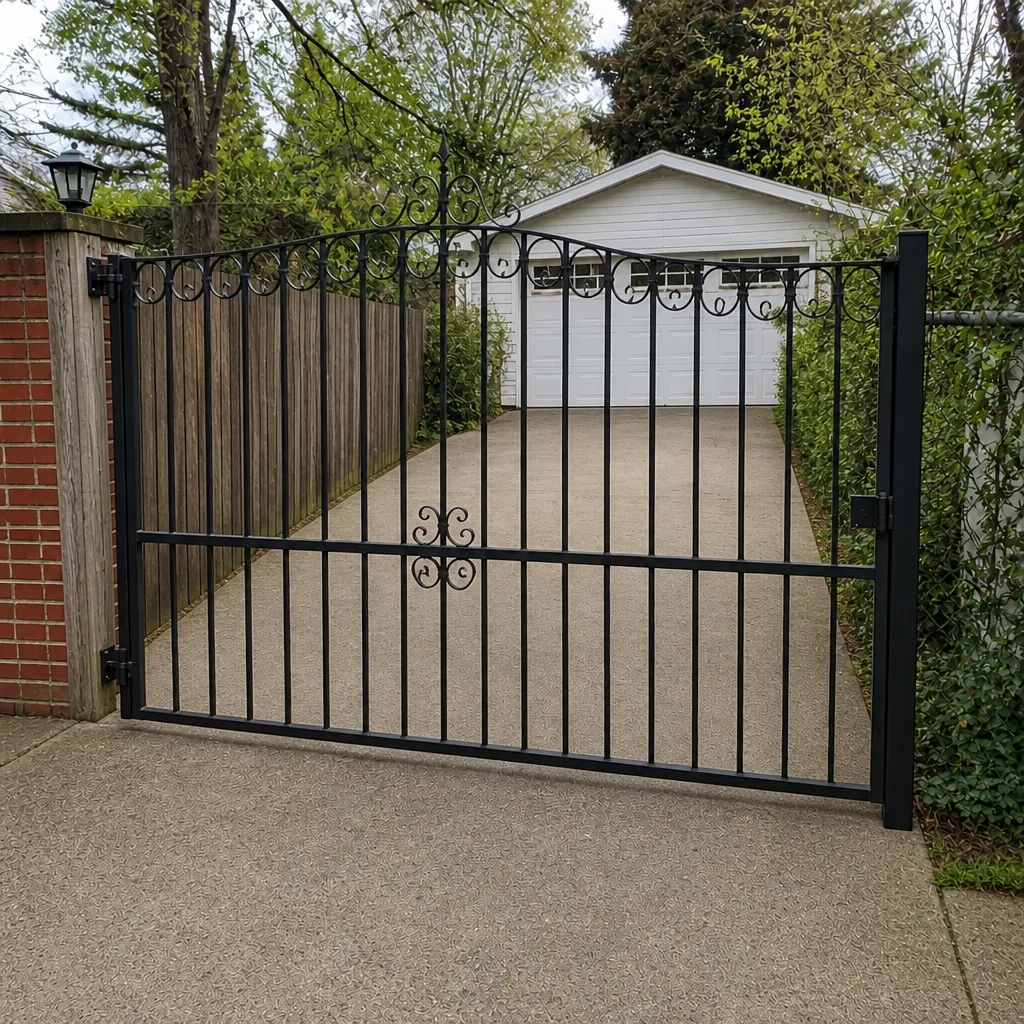
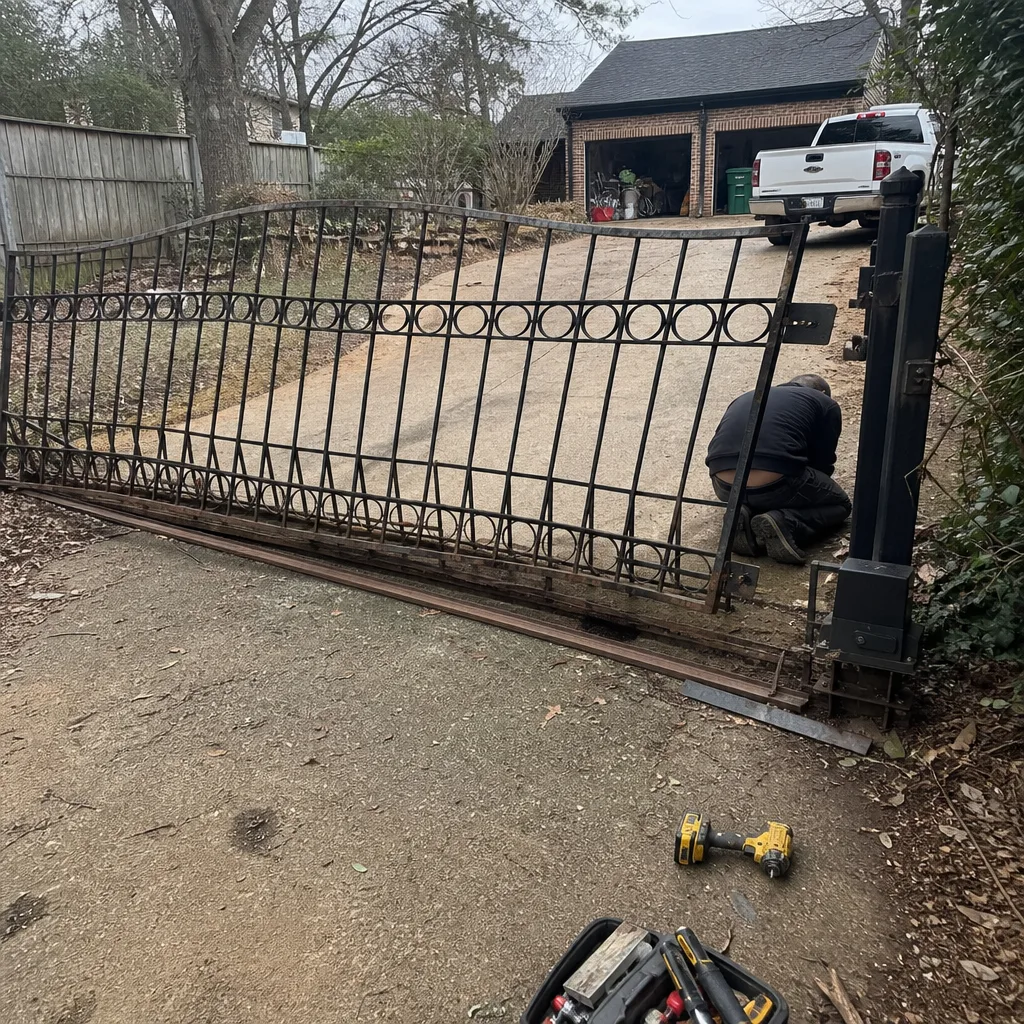
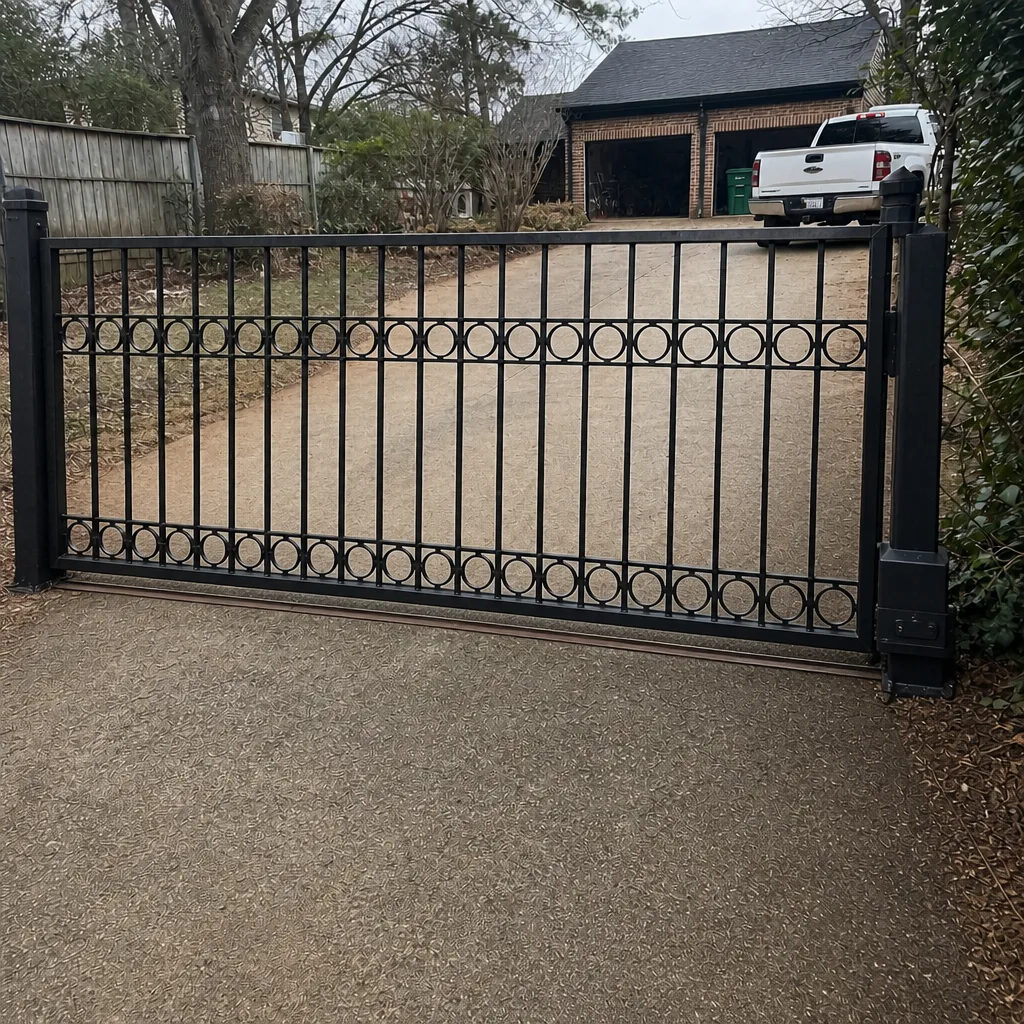
See the difference
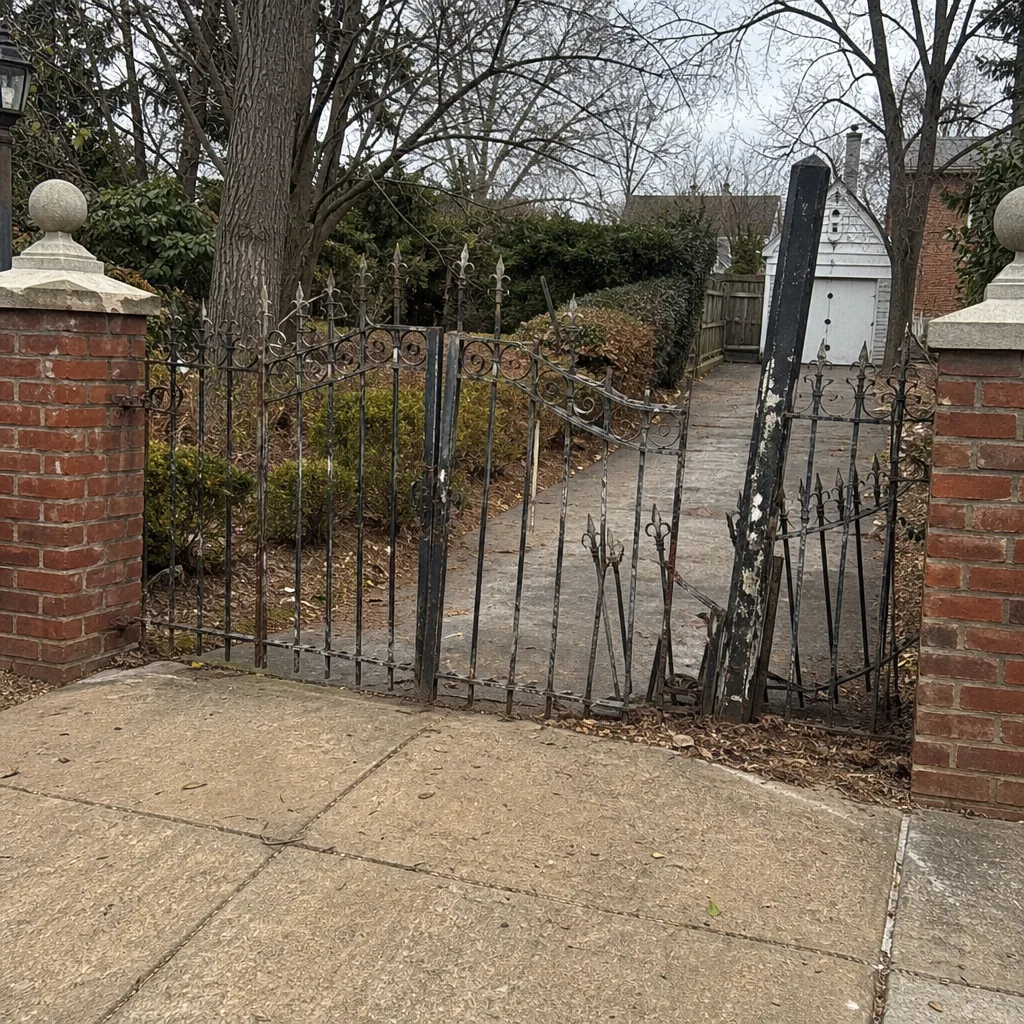 Before
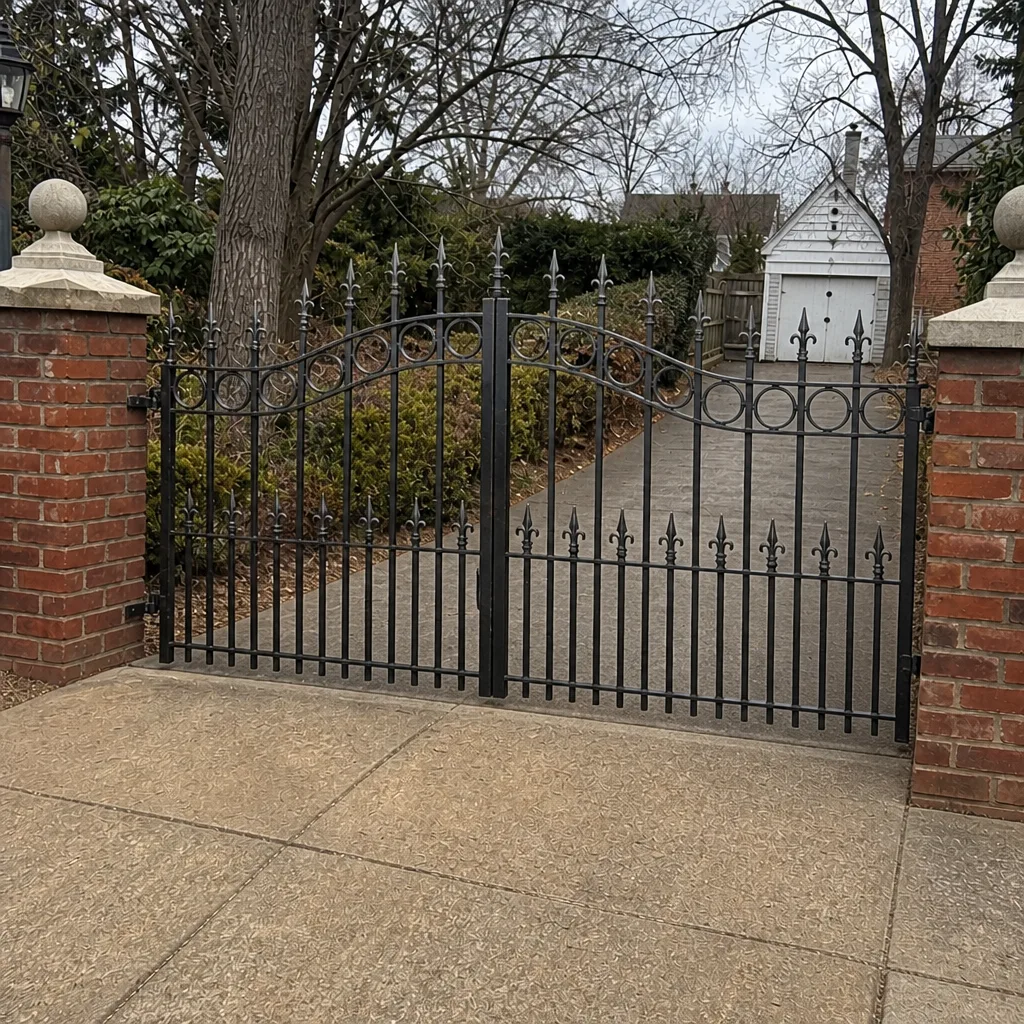 After
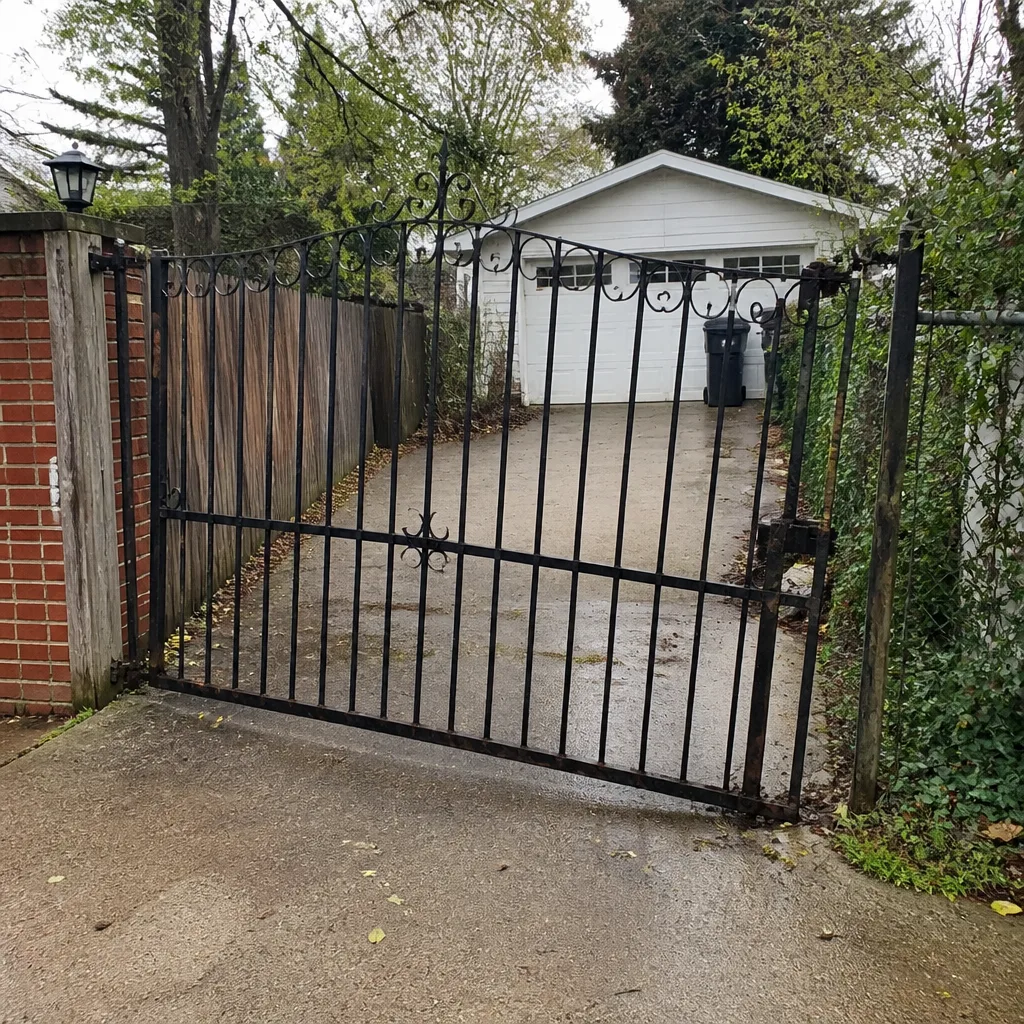 Before
 After
 Before
 After
When to Call a Professional
Call a gate professional if your gate won’t open or close reliably, if it reverses unexpectedly or doesn’t reverse when something is in its path, if a sliding gate has come off its track or is dragging on the ground, if a post is leaning or a footing is cracked, if the operator has failed electrically, or if you’re planning to automate a manual gate and want to know what entrapment protection the code requires of the installation. Call us before you authorize any work that might need a permit or historic review, so the scope and the paperwork line up from the start. Alexandria Gate Repair offers free estimates in Alexandria – call (888) 356-9186. We answer 24/7. Fast dispatch from 7am to 7pm, Sunday through Friday. Our technicians have up to 12 years of experience on residential and commercial gates across the region.
Frequently Asked Questions
Usually no, as long as the replacement operator is the same rated class in the same location with no new electrical circuit. If the operator change requires new wiring, a new subpanel, or a change to the gate’s structure, a permit is generally required. If your property is in a historic district and any part of the installation is visible from a public way, check with the Board of Architectural Review before proceeding. Call (888) 356-9186 for a free scoping estimate – we’ll tell you which path applies.
Yes. Virginia’s Uniform Statewide Building Code references UL 325, and the standard requires entrapment protection on automated gates regardless of whether a permit was pulled at installation. Primary protection is normally a monitored photo-eye, and secondary protection is typically a reversing edge or a second sensor. If you can’t confirm your gate has both, have it checked. Call (888) 356-9186 for a free estimate on bringing a non-compliant gate up to code.
Ask the Department of Planning and Zoning. The Old Town and Parker-Gray historic districts are both overlay zones, and the department can confirm in minutes whether your address falls inside one. Your subdivision plat or title documents will also show the overlay if it applies. Once you know, tell any contractor you’re considering so they can scope the work with that in mind. Call (888) 356-9186 for a free estimate that reflects what the overlay will require.
It shows up during the buyer’s inspection, and it can trigger a price reduction, a lender hold, or a title issue depending on what was done. A buyer’s inspector will look for permits on anything that looks newer than the rest of the property, and historic district work is easier to spot. A determination letter or permit pulled before the work is the protection. If you’re planning to sell and want a gate review before the inspection, call (888) 356-9186 – estimates are free.
Yes, but the process usually involves historic review before installation. The Board of Architectural Review cares about visibility from public ways, so how the operator housing and the electrical run are concealed matters. Some Old Town and Parker-Gray installations are approved quickly; some take design revisions. A pre-application conversation with city staff, and a contractor who knows what typically gets approved, saves weeks. Call (888) 356-9186 for a free on-site estimate.
We handle the scope and documentation side of the process, and we work with your contractor or your own team to ensure the permit application accurately reflects the work. We’ve serviced commercial and residential gates in the area long enough to know what Alexandria’s inspectors look for on this kind of installation. For a full new gate or a historic district automation, we start with a free measure and a written price so there are no surprises. Call (888) 356-9186. We answer 24/7. Fast dispatch from 7am to 7pm, Sunday through Friday.
The Bottom Line
The gate behind the house is not outside the rules. Alexandria’s permit requirements depend on whether you’re repairing in kind or creating something new, and the historic district overlay in Old Town and Parker-Gray adds a second layer of review that catches most homeowners off guard. UL 325 entrapment protection applies to every automated gate in the city, permit or not. Unpermitted work surfaces at a home sale, an insurance claim, or an inspection, and it costs more to fix then than it would have to do right the first time. Get a determination letter before you start. Keep the paperwork. Call a gate specialist when the scope matters.
Written by the team at Alexandria Gate Repair.